SBA EIDL Loan Forgiveness vs PPP Forgiveness: What You Need to Know
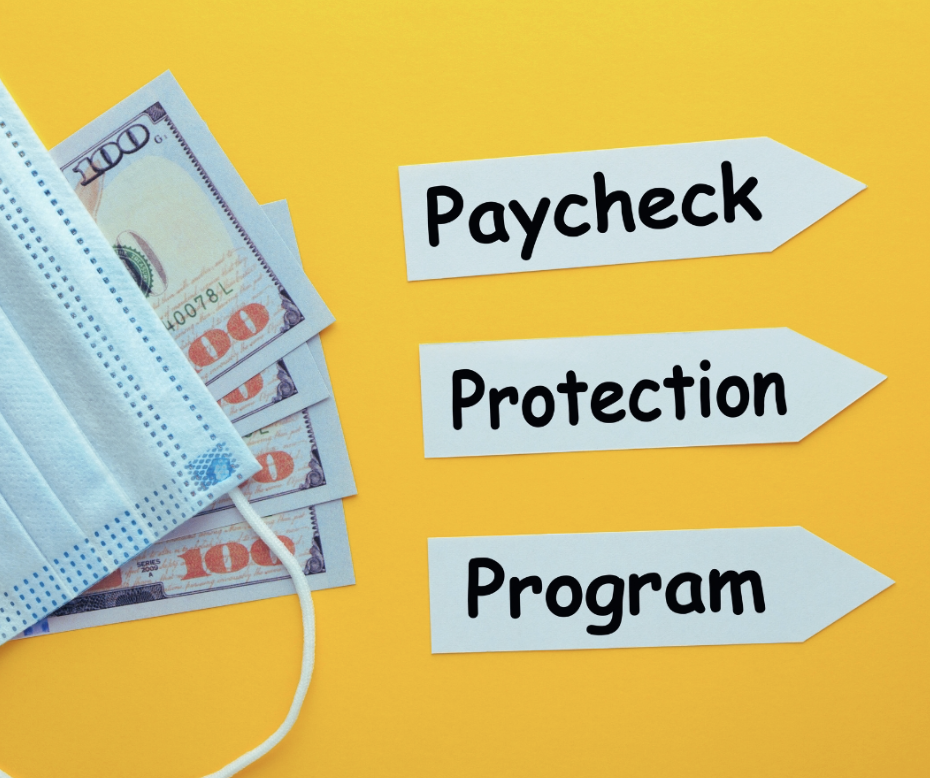
The Small Business Administration (SBA) created several new loan programs during the COVID-19 pandemic to help small businesses in need. Two of the most popular and well-known programs were the Paycheck Protection Program (PPP) and the Economic Injury Disaster Loan (EIDL).
Each of these programs was designed to provide immediate financial relief to small business owners who were suddenly experiencing financial hardship due to the pandemic and related shutdown orders. They offered loans with attractive terms as well as the opportunity to have all or some of the loans converted into a grant and completely forgiven — in some cases.
If you are a small business owner who took out a PPP or EIDL loan and are wondering about your options for loan forgiveness, read on to discover more information about these two federal government programs.
Introduction to Loan Forgiveness
As part of the pandemic-era loan programs, the SBA provided loan forgiveness options for certain loans. In essence, small business owners who took advantage of the program could have all or a portion of their loan completely forgiven, if they met certain requirements, such as using the funds to maintain payroll and help with other operating expenses.
This loan forgiveness offered significant financial relief to small businesses owners and self-employed individuals who were impacted by the COVID-19 pandemic. In turn, it was also meant to help employees of these businesses, so their jobs would be maintained.
Not all of the special programs created during the pandemic offered loan forgiveness, though. Only certain loans qualified, and all borrowers had to meet eligibility requirements for the SBA to consider loan forgiveness.
Borrowers can submit an application for loan forgiveness to the SBA or directly to their private lender, which will start the process.
Economic Injury Disaster Loans
The EIDL program was created before the pandemic to help businesses in officially declared disaster zones recover from economic losses. When the pandemic broke out, the SBA expanded the definition of disaster zones to cover the entire country, essentially opening up the program to all U.S. small businesses.
Money from the pandemic-era EIDL loans could be used to cover payroll costs, lease or mortgage payments and some other business-related expenses. While EIDLs are not forgivable, they do offer low interest rates as well as longer repayment terms.
When the loan program was accepting new applicants, the SBA provided guidance on the application process and eligibility requirements for the program.
Paycheck Protection Program
The PPP was a completely new program that was created at the beginning of the pandemic. The loan program was designed to provide significant and immediate financial assistance to small business owners and self-employed individuals who were impacted by the pandemic.
In different stages of the pandemic, the CARES Act and Venues Act provided additional funding to the program, since it was so popular among small business owners.
Like EIDL loans, PPP loans offered attractive loan terms, including low interest rates and longer repayment periods. The big difference, though, was that PPP loans could be converted into forgivable grants if the borrower met certain criteria.
One of the main requirements for loan forgiveness was that borrowers had to use at least 60% of the money on payroll costs, and that money had to be used between eight and 24 weeks after the disbursement date of the loan.
Other eligible costs the loan could cover included expenses such as rent, mortgages and utilities.
To have their PPP loan forgiven, borrowers had to submit an application with the SBA or the private lender who gave them the loan.
PPP Loans and the Forgiveness Process
PPP loans are administered directly by private lenders. The SBA’s role is to guarantee a certain amount of the loan, which allows the lender to offer favorable terms.
Borrowers could apply for a PPP loan through a lender that was on the SBA’s approved list.
To receive forgiveness for a PPP loan, borrowers had to submit an application either to the lender or to the SBA. The application had to include documentation of eligible expenses, such as lease payments and payroll costs.
The SBA also might request other financial documentation to prove that the requisite amount of funds were used for eligible expenses. The agency then reviewed the application to determine whether either part or all of the loan was eligible to be forgiven.
Some borrowers qualified for full forgiveness, while others qualified to have part of the loan forgiven. It was all dependent on how they used the loan proceeds.
As of July 2022, the SBA reported that it had issued 11.5 million PPP loans totaling $793 billion. These loans helped save 85 million jobs.
According to the SBA, the average dollar amount of a forgiven PPP loan was $72,500. Any small business with fewer than 500 employees could apply for a PPP loan up to $10 million.
Economic Injury Disaster Loans vs PPP
While both the PPP and EIDL programs were designed to provide significant financial assistance to eligible small businesses, they had different terms and eligibility requirements.
The biggest difference, of course, is that EIDL loans are not forgivable and had to be repaid. While this may seem like a major downside, EIDL loans also weren’t as restrictive as PPP loans in terms of how the money could be used — if a borrower wanted the funds forgiven.
That’s why it was very important for small business owners to thoroughly research both loan programs and choose the one that best met their needs before applying. The SBA issued a lot of guidance on both programs, making it very easy for prospective borrowers to access a wealth of information and resources.
Additional Resources and Support
The SBA offers ongoing support and additional resources for borrowers of either loan program, including guidance on eligibility requirements and the loan forgiveness process. Borrowers can also contact their lender or the SBA directly for any more information they may need or for specific guidance on their situation.
The SBA’s website also has valuable information and resources on the loan forgiveness process, as well as many other things to support small business owners. The IRS can also be a good resource for any borrower who is concerned about the potential tax implications of loan forgiveness.
Contact Babi Legal Group if You’re Having Trouble Repaying
While the PPP and EIDL programs are no longer open for new applicants, there is still time to apply for loan forgiveness if you qualify. Unfortunately, any money that isn’t forgiven by the SBA will need to be repaid according to your loan terms.
Small business owners who are still struggling financially and are having trouble repaying their loan don’t have a lot of options from the SBA or other government entities at this time.
If you find yourself in this boat, it’s important you consult with an experienced debt collection and bankruptcy attorney to see your options.
At Babi Legal Group, we have more than a decade of experience in business, bankruptcy, debt collection and debt settlement law, and can guide you through your options if you’re having trouble meeting the obligations of your PPP or EIDL loan.
To learn more, and to get a free consultation, please contact us today.