How Does EIDL Loan Affect PPP Forgiveness: Key Insights for Business

Introduction to Disaster Loans

  • The Small Business Administration (SBA) offers Economic Injury Disaster Loans (EIDL) and Paycheck Protection Program (PPP) loans to support small businesses.
  • EIDL loans provide up to $2 million in funding, while PPP loans offer up to $10 million.
  • Both loan programs have different eligibility requirements and forgiveness terms.
  • Understanding the differences between EIDL and PPP loans is crucial for businesses to make informed decisions.

EIDL Loan Overview

  • EIDL loans are designed to help small businesses cover expenses such as payroll costs, fixed debts, and other financial obligations.
  • The loan has a 3.75% APR and a repayment term of up to 30 years.
  • EIDL loans also offer a grant of up to $10,000, which does not need to be repaid.
  • Businesses can apply for EIDL loans directly through the SBA website.

Economic Injury Disaster

  • Economic Injury Disaster Loans (EIDL) are designed to help small businesses recover from economic injuries caused by disasters.
  • The loans can be used to cover expenses such as payroll costs, mortgage interest payments, and other financial obligations.
  • EIDL loans have a low interest rate and a long repayment term, making them an attractive option for small businesses.
  • The SBA stopped accepting applications for COVID-19 EIDL loans on January 1, 2022.

Paycheck Protection Program

  • The Paycheck Protection Program (PPP) is a loan program designed to help small businesses keep their employees on payroll.
  • PPP loans offer up to $10 million in funding and can be forgiven if used for eligible expenses such as payroll costs, mortgage interest payments, and rent.
  • The loan has a 1% fixed APR and a repayment term of up to 5 years.
  • PPP loans are available through participating lenders, including banks and credit unions.

EIDL Loans and Forgiveness

  • EIDL loans are not forgivable, except for the $10,000 grant.
  • Businesses must repay EIDL loans in full, including interest.
  • However, the SBA offers a Hardship Accommodation Plan (HAP) to help borrowers who are experiencing financial difficulties.
  • The HAP allows borrowers to temporarily reduce their monthly payments to 10% of the usual amount.

COVID 19 EIDL

  • The COVID-19 EIDL program was designed to help small businesses affected by the pandemic.
  • The program offered up to $2 million in funding and a grant of up to $10,000.
  • The loan had a 3.75% APR and a repayment term of up to 30 years.
  • The SBA stopped accepting applications for COVID-19 EIDL loans on January 1, 2022.

EIDL Funds Usage

  • EIDL funds can be used to cover expenses such as payroll costs, fixed debts, and other financial obligations.
  • Businesses can also use EIDL funds to pay for mortgage interest payments, rent, and utilities.
  • However, EIDL funds cannot be used for the same purposes as PPP funds.
  • Businesses must keep accurate records of how they use EIDL funds to ensure compliance with SBA regulations.

Apply for Forgiveness

  • Businesses can apply for forgiveness for PPP loans through their lender or the SBA’s direct forgiveness portal.
  • The forgiveness application process requires businesses to provide documentation, such as tax returns and payroll records.
  • The SBA will review the application and determine the amount of forgiveness.
  • Businesses can apply for forgiveness at any time before the maturity date of the loan.

Forgiveness Application Process

  • The forgiveness application process for PPP loans involves several steps, including gathering documentation and submitting the application.
  • Businesses must provide detailed instructions and supporting documentation to ensure a smooth application process.
  • The SBA will review the application and determine the amount of forgiveness.
  • Businesses can check the status of their application through the SBA’s direct forgiveness portal.

Loan Forgiveness

  • Loan forgiveness is a key benefit of the Paycheck Protection Program (PPP).
  • Businesses can have their PPP loans forgiven if they use the funds for eligible expenses such as payroll costs, mortgage interest payments, and rent.
  • The forgiveness amount is based on the amount of eligible expenses incurred during the covered period.
  • Businesses must apply for forgiveness through their lender or the SBA’s direct forgiveness portal.

Check Loan Status

  • Businesses can check the status of their PPP loan or EIDL loan through the SBA’s website or by contacting their lender.
  • The SBA’s website provides real-time updates on loan status, including approval, disbursement, and forgiveness.
  • Businesses can also contact their lender for updates on their loan status.
  • Keeping track of loan status is crucial for businesses to ensure they are meeting the terms of their loan.

COVID 19 Impact

  • The COVID-19 pandemic has had a significant impact on small businesses, with many experiencing financial difficulties.
  • The SBA’s loan programs, including PPP and EIDL, have provided critical financial assistance to small businesses.
  • However, the pandemic has also created new challenges, such as supply chain disruptions and reduced consumer spending.
  • Businesses must be proactive in managing their finances and seeking financial assistance when needed.

Business Loan Management

  • Effective business loan management is crucial for small businesses to ensure they are meeting the terms of their loan.
  • This includes keeping accurate records, making timely payments, and seeking financial assistance when needed.
  • Businesses should also review their loan agreements regularly to ensure they understand the terms and conditions.
  • Seeking the advice of a financial advisor can also help businesses make informed decisions about their loan management.

Loan Repayment Options

  • Businesses have several loan repayment options, including monthly payments, lump sum payments, and refinancing.
  • The SBA offers a Hardship Accommodation Plan (HAP) to help borrowers who are experiencing financial difficulties.
  • Businesses can also consider refinancing their loan to take advantage of lower interest rates or more favorable terms.
  • Seeking the advice of a financial advisor can help businesses determine the best loan repayment option for their situation.

Financial Assistance

  • The SBA offers several financial assistance programs, including PPP and EIDL loans, to help small businesses.
  • Businesses can also consider other financing options, such as business credit cards or lines of credit.
  • Seeking the advice of a financial advisor can help businesses determine the best financial assistance option for their situation.
  • Businesses should also review their financial statements regularly to ensure they are making informed decisions about their finances.

Conclusion

  • In conclusion, EIDL loans and PPP loans are two critical financial assistance programs offered by the SBA to help small businesses.
  • Understanding the differences between these loan programs is crucial for businesses to make informed decisions about their finances.
  • Businesses should seek the advice of a financial advisor to determine the best loan option for their situation and to ensure they are meeting the terms of their loan.
  • Effective business loan management and financial planning are essential for small businesses to succeed and thrive in today’s competitive market.

Surfer: https://app.surferseo.com/drafts/s/WWzd0cYEKTtahsHg9g1D4J1RaQeLxrLY

Is EIDL Loan Forgiveness Taxable? Essential Insights You Need to Know

The federal government created two major financial support programs for small businesses during the COVID-19 pandemic to provide assistance to those who were experiencing significant economic hardship.

Called the Paycheck Protection Program (PPP) and Economic Injury Disaster Loans (EIDL), these programs were run through the Small Business Administration (SBA). Just like other federal agencies provide guarantees on certain home mortgage loans, the SBA did the same for these small business loans, which were offered through many private lenders.

Some of these special loans offered loan forgiveness, where either part or all of the loan amount was converted to a forgivable grant if the borrower met certain requirements. While this was extremely beneficial to the borrowers who took advantage, loan forgiveness can also have significant tax implications for businesses.

Understanding what these tax consequences might be is critical for business owners so they can make informed decisions about their financial situation. 

Below, we’ll discuss these two loan programs in more depth, including what the tax implications of loan forgiveness are.

Taxable Income and Forgiveness

In general, the Internal Revenue Service considers loan forgiveness to be taxable income, unless the agency specifically exempts certain forgiveness. This means that the IRS considers any debt that’s forgiven as income, which can result in borrowers taking on extra tax liabilities.

However, the PPP was one of those loan programs that are exempt from this general rule. Proceeds received from a PPP loan are not considered taxable income, no matter whether your loan was converted to a forgivable grant or not.

This means that you do not need to report the PPP loan proceeds as taxable income on your federal taxes. 

Even better, borrowers are still able to deduct expenses that they paid with proceeds from a PPP loan — again, whether the loan was forgiven or had to be repaid. Essentially, this results in a “double dip” benefit for small business borrowers.

PPP Loan Forgiveness Process

PPP borrowers have to fill out a formal application for loan forgiveness with their lender. As part of this process, they need to submit documentation of the eligible expenses they used the funds for, including payroll costs, rent and other operating expenses.

To be eligible for loan forgiveness under the PPP program, borrowers had to use at least 60% of the proceeds to cover payroll costs between eight and 24 weeks after those proceeds were disbursed. 

Borrowers also have to submit an application for loan forgiveness before their loan’s maturity date, which is either two or five years from when their loan originated.

Once the application has been submitted, the lender will review your application and make a determination about forgiveness. They can either forgive all or part of the loan, depending on your compliance with the requirements of the program.

Borrowers have the option of applying for forgiveness through the lender or by using the SBA’s direct forgiveness portal, which simplified the process and reduced the burden on lenders.

SBA Loan Forgiveness Options

While the PPP and EIDL programs were created around the same time during the pandemic, loan forgiveness is not the same in both programs. While a majority of PPP loans are eligible for loan forgiveness, a majority of EIDL loans are not forgivable.

Under certain circumstances, borrowers may have been eligible for loan forgiveness, including if they used the proceeds on eligible expenses or were able to demonstrate they were still experiencing financial hardship. 

For borrowers having trouble repaying their non-forgivable loans, the SBA also offers an Offer in Compromise (OIC) program, which allows borrowers to settle their debt for less than what they owe. However, this can have significant tax implications, as that settled debt is generally considered to be taxable income.

Tax Implications of Forgiveness

While loan forgiveness under the PPP program was generally considered to be non-taxable income, it’s always important for borrowers to consider what the potential tax liabilities are of any loan forgiveness or debt settlement.

As such, borrowers should consult with a tax professional to fully understand the potential consequences of loan forgiveness, so they can determine the best course of action for them and their business. 

Schedule C and Business Income

PPP and EIDL loans were made available to many business owners during the pandemic, including self-employed individuals. These people also could be eligible for loan forgiveness under the PPP, which could affect their business income and Schedule C, depending on their situation.

When determining eligibility for loan forgiveness, the IRS considers self-employment income. Borrowers were required to report this income on their tax return, which the IRS then uses in making its determination.

If you are a self-employed individual with questions about this, make sure to consult with an experienced tax professional so you can understand the ins and outs of PPP loan forgiveness and its potential impacts on you. 

EIDL Loan Forgiveness and Business Relief

In a majority of cases, EIDL loans are not forgivable. Some borrowers may have been eligible for loan deferment or other forms of relief.

The Hardship Accommodation Program (HAP) provided temporary relief for borrowers who were experiencing ongoing economic challenges. However, that program ended in the first quarter of 2025.

Still, the SBA offers various forms of assistance to businesses that were affected by economic hardship and disasters. So, make sure to reach out to the agency directly if you have any questions. 

Conclusion and Next Steps

Loan forgiveness can have significant tax implications for businesses, which is why borrowers need to understand the potential tax consequences of their loans. The SBA offered various loan forgiveness options for the pandemic-era loan programs, including the PPP and EIDL, though EIDL loans typically aren’t forgivable.

It’s always best to consult with a tax professional to ensure that you are fully compliant with any tax obligations you might have.

If you are still struggling to repay your PPP or EIDL loans that aren’t forgivable, make sure you consult with an experienced attorney who can guide you through your options.

At Babi Legal, we have more than 10 years of experience in business, debt collection and debt settlement law and can help you determine the best options for you and your business. 

For more information, including a free consultation, contact us today.

EIDL Loan Repayment Forgiveness and Deferment: What You Need to Know

Many small businesses across the country faced extreme and unprecedented financial challenges when the COVID-19 pandemic began in March 2020. Because of lockdown orders and the way that consumer behaviors changed dramatically in an instant, small business owners were left scrambling to keep their doors open.
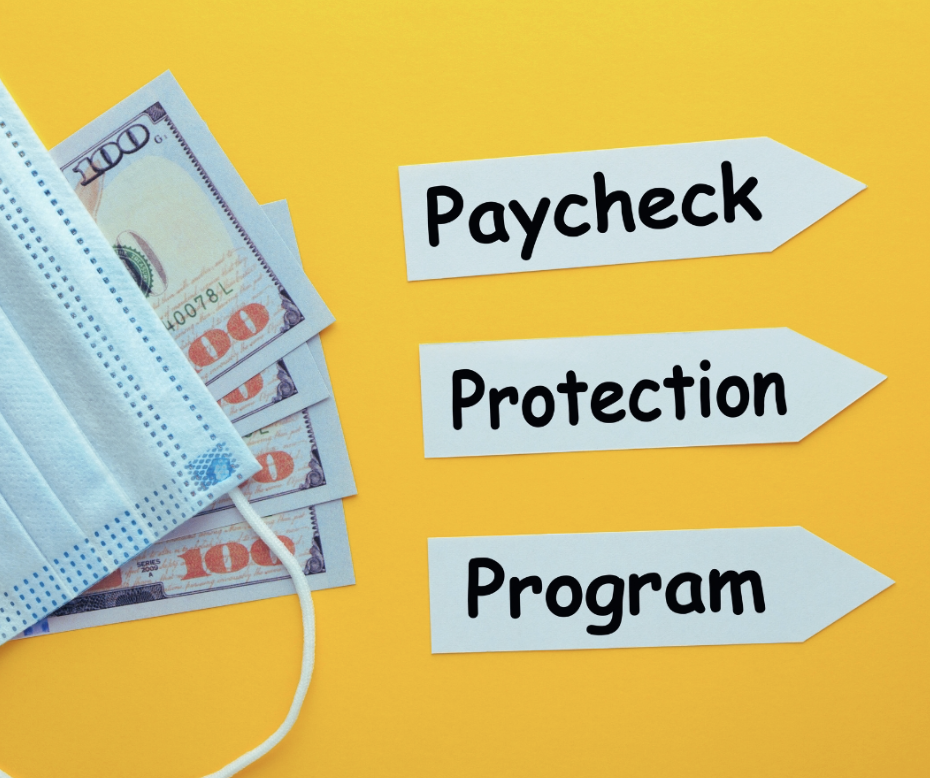

In response to this, the federal government passed multiple economic relief bills, large parts of which were dedicated to providing financial relief to small business owners experiencing economic challenges.

The idea behind the bills was to provide the support businesses need to keep operating and avoid having to layoff a significant number of workers, which would only exacerbate the country’s problems even more.

In this article, we’ll discuss the details of one of those federal programs open to small business owners — the Economic Injury Disaster Loans, or EIDLs.

Introduction to Economic Injury Disaster Loans

The EIDL program already existed when the COVID-19 pandemic started. It was designed to provide small business owners with low-interest loans if they were experiencing economic hardship because they were located in a designated disaster zone.

When the pandemic started, the federal government simply expanded the definition of what was determined to be a disaster zone so that the entire country was covered. Under this special declaration, all small businesses were technically eligible to receive financial help through the EIDL program.

Like other federal loan programs, the Small Business Administration (SBA) ran the EIDL program. These loans were available to small businesses and some non-profit organizations that were affected by the COVID-19 pandemic.

EIDL loans provided financial options for these borrowers to cover operating expenses such as rent, utilities and other working capital needs.

In the time when the program was available, the SBA provided more than $390 billion in EIDL loans to non-profits and small businesses throughout the country.

COVID-19 EIDL Program Details

Unlike loans offered through the Paycheck Protection Program (PPP), all EIDL loans had to be repaid. That being said, they did offer very favorable loan and repayment terms to provide as much help as possible.

The program offered loans that had a repayment term of 30 years and interest rates that ranged from 2.75% to 3.75%, depending on a borrower’s profile.

As mentioned, EIDL loans are not forgivable like some PPP loans are, and borrowers must repay the loan in full, including interest.

At one point in time, the SBA offered the Hardship Accommodation Plan (HAP) for COVID-19 EIDL loans, which provided temporary relief for borrowers who were having trouble repaying the loans. However, that program ended in the first quarter of 2025.

EIDL Borrowers Eligibility and Application

To be eligible for an EIDL loan, small businesses had to have been in operation by January 31, 2020, and they had to prove that they suffered economic injury due to the COVID-19 pandemic. 

Borrowers had to meet certain eligibility requirements, including having a credit score of at least 570 for a loan amount of $500,000 or less or a score of 625 for loan amounts greater than $500,000.

Those who were interested could apply either through the SBA’s website, or by contacting the SBA’s Customer Service team via phone at (833) 853-5638.

The SBA reviewed the creditworthiness of all applicants and their ability to repay the loan when making final determinations.

EIDL Payment and Repayment Terms

EIDL loans came with a long 30-year repayment term. A big benefit of these loans is that monthly payments didn’t have to start until 30 months after the disbursement date.

While interest still accrued during that period of time, the delayed repayment gave small business owners extra time to recover from the financial hardship they were experiencing. 

Borrowers had the ability to make voluntary payments if they wanted to and wouldn’t be charged a prepayment penalty for doing so. Many took this route, as it helped them to reduce the balloon payment due at maturity.

Hardship Accommodation Plan Options

The HAP was a short-term program that was in place to allow eligible borrowers to make reduced payments for a six-month period. To be eligible for the HAP, borrowers had to demonstrate they were still experiencing financial hardship.

They then had to submit a request to the SBA’s COVID-19 EIDL Servicing Center, which would make a determination on approval based on a variety of factors. The HAP program was only available for loans with a balance of more than $200,000 or for borrowers who had already defaulted on their loan.

Again, though, this program is no longer available.

Loan Amounts and Interest Rates

EIDL loan amounts ranged from $1,000 all the way up to $2 million. Interest rates varied from 2.75% to 3.75%, depending on the borrower’s eligibility. 

The SBA determined the amount of the loan based on the borrower’s economic injury as well as their ability to repay the loan. Collateral was required for loans greater than $25,000, with a personal guaranty required for loans greater than $200,000.

COVID EIDL Borrowers Resources

The SBA provides ongoing support, help and resources to small business owners who need it, in a variety of ways. The agency offers free or low-cost counseling through its national network of Resource Partners, for instance.

More information on these resources, including specific guidance on managing COVID-19 EIDL loans, is available directly on the SBA’s website. Or, you can call the agency’s Customer Service line directly.

Forgiveness and Loan Discharge Options

A majority of EIDL loans are not forgivable. The only exception was the Targeted Advance program, which acted like a grant and provided up to $10,000 in loan forgiveness.

With the HAP program no longer available, EIDL borrowers who are still having trouble making their payments have limited options. Those who file for bankruptcy and have a loan under $25,000, though, may be able to discharge their loan.

It’s also possible that the SBA may provide additional forgiveness options in the future. 

Managing Debt and Avoiding Default

As with any outstanding debt, borrowers can avoid defaulting on EIDL loans by making regular payments and communicating directly with the SBA’s Customer Service team. Borrowers who are still struggling to make payments might be eligible for other options with the SBA, including loan modifications and refinancing.

Before making any major decision in this regard, it’s important for borrowers to seek professional advice from a financial advisor or experienced bankruptcy attorney to manage their debt.

Additional Guidance on the Economic Injury Disaster Loan Program

The EIDL loan program provided vital financing options for small business owners affected by the COVID-19 pandemic. While it provided much-needed money at favorable terms, these loans still had to be repaid.

Borrowers who are still struggling to pay can no longer take advantage of the HAP program, though other options may be available. If you are having trouble paying, you should contact the SBA directly to find out your options.

It’s also a good idea to consult with an experienced bankruptcy attorney to figure out your options. At Babi Legal Group, we have more than a decade of experience in business, debt collection, debt settlement and bankruptcy law.

Contact us today to learn more about your options for EIDL repayments if you’re struggling to repay your loan.

SBA EIDL Loan Forgiveness vs PPP Forgiveness: What You Need to Know

The Small Business Administration (SBA) created several new loan programs during the COVID-19 pandemic to help small businesses in need. Two of the most popular and well-known programs were the Paycheck Protection Program (PPP) and the Economic Injury Disaster Loan (EIDL).

Each of these programs was designed to provide immediate financial relief to small business owners who were suddenly experiencing financial hardship due to the pandemic and related shutdown orders. They offered loans with attractive terms as well as the opportunity to have all or some of the loans converted into a grant and completely forgiven — in some cases.

If you are a small business owner who took out a PPP or EIDL loan and are wondering about your options for loan forgiveness, read on to discover more information about these two federal government programs.

Introduction to Loan Forgiveness

As part of the pandemic-era loan programs, the SBA provided loan forgiveness options for certain loans. In essence, small business owners who took advantage of the program could have all or a portion of their loan completely forgiven, if they met certain requirements, such as using the funds to maintain payroll and help with other operating expenses.

This loan forgiveness offered significant financial relief to small businesses owners and self-employed individuals who were impacted by the COVID-19 pandemic. In turn, it was also meant to help employees of these businesses, so their jobs would be maintained.

Not all of the special programs created during the pandemic offered loan forgiveness, though. Only certain loans qualified, and all borrowers had to meet eligibility requirements for the SBA to consider loan forgiveness.

Borrowers can submit an application for loan forgiveness to the SBA or directly to their private lender, which will start the process.

Economic Injury Disaster Loans

The EIDL program was created before the pandemic to help businesses in officially declared disaster zones recover from economic losses. When the pandemic broke out, the SBA expanded the definition of disaster zones to cover the entire country, essentially opening up the program to all U.S. small businesses. 

Money from the pandemic-era EIDL loans could be used to cover payroll costs, lease or mortgage payments and some other business-related expenses. While EIDLs are not forgivable, they do offer low interest rates as well as longer repayment terms.

When the loan program was accepting new applicants, the SBA provided guidance on the application process and eligibility requirements for the program.

Paycheck Protection Program

The PPP was a completely new program that was created at the beginning of the pandemic. The loan program was designed to provide significant and immediate financial assistance to small business owners and self-employed individuals who were impacted by the pandemic.

In different stages of the pandemic, the CARES Act and Venues Act provided additional funding to the program, since it was so popular among small business owners.

Like EIDL loans, PPP loans offered attractive loan terms, including low interest rates and longer repayment periods. The big difference, though, was that PPP loans could be converted into forgivable grants if the borrower met certain criteria.

One of the main requirements for loan forgiveness was that borrowers had to use at least 60% of the money on payroll costs, and that money had to be used between eight and 24 weeks after the disbursement date of the loan. 

Other eligible costs the loan could cover included expenses such as rent, mortgages and utilities.

To have their PPP loan forgiven, borrowers had to submit an application with the SBA or the private lender who gave them the loan.

PPP Loans and the Forgiveness Process

PPP loans are administered directly by private lenders. The SBA’s role is to guarantee a certain amount of the loan, which allows the lender to offer favorable terms. 

Borrowers could apply for a PPP loan through a lender that was on the SBA’s approved list.

To receive forgiveness for a PPP loan, borrowers had to submit an application either to the lender or to the SBA. The application had to include documentation of eligible expenses, such as lease payments and payroll costs.

The SBA also might request other financial documentation to prove that the requisite amount of funds were used for eligible expenses. The agency then reviewed the application to determine whether either part or all of the loan was eligible to be forgiven. 

Some borrowers qualified for full forgiveness, while others qualified to have part of the loan forgiven. It was all dependent on how they used the loan proceeds.

As of July 2022, the SBA reported that it had issued 11.5 million PPP loans totaling $793 billion. These loans helped save 85 million jobs.

According to the SBA, the average dollar amount of a forgiven PPP loan was $72,500. Any small business with fewer than 500 employees could apply for a PPP loan up to $10 million.

Economic Injury Disaster Loans vs PPP

While both the PPP and EIDL programs were designed to provide significant financial assistance to eligible small businesses, they had different terms and eligibility requirements.

The biggest difference, of course, is that EIDL loans are not forgivable and had to be repaid. While this may seem like a major downside, EIDL loans also weren’t as restrictive as PPP loans in terms of how the money could be used — if a borrower wanted the funds forgiven.

That’s why it was very important for small business owners to thoroughly research both loan programs and choose the one that best met their needs before applying. The SBA issued a lot of guidance on both programs, making it very easy for prospective borrowers to access a wealth of information and resources.

Additional Resources and Support

The SBA offers ongoing support and additional resources for borrowers of either loan program, including guidance on eligibility requirements and the loan forgiveness process. Borrowers can also contact their lender or the SBA directly for any more information they may need or for specific guidance on their situation.

The SBA’s website also has valuable information and resources on the loan forgiveness process, as well as many other things to support small business owners. The IRS can also be a good resource for any borrower who is concerned about the potential tax implications of loan forgiveness.

Contact Babi Legal Group if You’re Having Trouble Repaying

While the PPP and EIDL programs are no longer open for new applicants, there is still time to apply for loan forgiveness if you qualify. Unfortunately, any money that isn’t forgiven by the SBA will need to be repaid according to your loan terms.

Small business owners who are still struggling financially and are having trouble repaying their loan don’t have a lot of options from the SBA or other government entities at this time.

If you find yourself in this boat, it’s important you consult with an experienced debt collection and bankruptcy attorney to see your options.

At Babi Legal Group, we have more than a decade of experience in business, bankruptcy, debt collection and debt settlement law, and can guide you through your options if you’re having trouble meeting the obligations of your PPP or EIDL loan.

To learn more, and to get a free consultation, please contact us today.