
Can You Remove A Name From A Mortgage?

If you’re pondering about taking someone’s name off a mortgage, a significant life event is likely unfolding. There are many reasons why you might want to change the name on your mortgage. This could include getting a divorce, splitting up with a partner, or just wanting to give the other person more financial flexibility. But the circumstances are different now than when you first got the mortgage.

Having a co-signer in a mortgage can be helpful. This is because you can use two incomes to find out how much money you can borrow and/or use the credit scores of two people to get a lower interest rate.

When you originally took out the mortgage, it made sense. But now, life has changed and you need to remove someone from the mortgage agreement. Though it’s not simple, here are a few steps that will assist you in getting it done attorneys recommend.

You and your co-borrower may ask the lender for an assumption or modification to remove your name from the mortgage. If the lender refuses to modify the existing loan, your co-borrower will need to refinance the property into a new mortgage.

How do I get my name taken off a mortgage?


Lenders are hesitant to remove a borrower’s name from a mortgage. The loan was approved based on each person’s credit score and two sources of income at first.

The fact that both borrowers had a joint income was a major deciding factor in whether or not the bank offered them a home loan.

If you want to get rid of a co-borrower, then it could be beneficial to seek a replacement for the co-borrower who would be assigned the rights and obligations of the mortgage.

Can you remove someone’s name from a mortgage without refinancing?

It’s possible to get a person’s name off of your mortgage without refinancing them. You can get a former co-owner’s name off of the mortgage using either loan assumption or loan modification. Speak to your lender about which strategy would be best for you. Meanwhile, read about four possible solutions.

Loan assumption as a solution

Theoretically, loan assumption is the easiest solution. You contact your lender and let them know you will be taking over the mortgage payments and assuming full responsibility for the debt. This removes your co-borrowerfrom any future obligation regarding the payment of this debt.

The difficulty is that many lenders will refuse to consider a loan assumption. Loans that do accept you may ask for proof that the remaining borrower can afford the payments. Your co-borrower may be required to sign off on the assumption.

Keep in mind that a loan assumption may cost you some money. One percent of the loan amount, plus administrative fees ranging from $250 to $500.

Loan modification to avoid refinancing

A loan modification is an act of changing the terms of your mortgage loan, achieved without having to refinance.

A mortgage loan modification is a technique to lower the borrower’s interest rate or extend their repayment period to make the debt more manageable.

Generally, modification is only possible if you’re experiencing financial difficulties. Nevertheless, some lenders might accept divorce or legal separation as proper justification for a loan modification.

You have the authority to remove names from your mortgage by either contacting your lender or servicer and inquiring about modification, or working with a mortgage lawyer.

Sell your house

If neither borrower can pay the mortgage on their own, the only alternative may be to sell the property.

In many areas of the nation, there is presently a strong seller’s market because housing has been in short supply for some time. Thus, homeowners may be able to get a great offer on their property.

A “short sale” is a property sale in which the net proceeds don’t cover all the liens on the property. This may become necessary if your mortgage debt exceeds the value of your home.

On the other hand, if real estate prices have decreased rather than increased, selling your home could pose more of a challenge — especially if you bought it recently and made only the minimum down payment.

If your mortgage lender sells your house in foreclosure, they can sue you for the deficiency which is the difference between what was owed on the mortgage and what the property sold for. In many cases though, lenders do not pursue the borrowers for this balance.

Although if the mortgage lender does release the borrower from this liability, their credit score as well as their spouse’s will be impacted negatively by a short sale.

Keep the mortgage

Both of you could agree to pay the mortgage. This may work, especially if both people choose to stay in the home. As a result, both individuals have an incentive to keep up with the payments.

However, if you stop making payments, the house could go into foreclosure and your credit score will plummet. If you have to remain joint borrowers with your co-borrower, talk to a lawyer first. A lawyer may be able to help safeguard your finances if your former partner stops paying.

Do I need an attorney to remove my name from a mortgage?

If you are splitting up with your partner and own a property together, you may need a conveyancing solicitor to carry out what is known as a property settlement.

Selling equity, regardless of whether money changes hands, necessitates the changing of paperwork and the deed to your property’s name by an attorney.

It does not necessarily imply that any cash changes hands when one partner’s equity is transferred to another. Couples might decide what value they wish to trade the marital propertyfor themselves.

Equities can also be exchanged for items such as vehicles or housewares. An ex-partner might even agree to have his name removed from the deeds for free.

If a property exchange is being suggested, you should speak with your attorney so that he or she can help you calculate the value of your home’s equity as well as the potential risks involved with such an arrangement.

FAQ

What happens when you have a joint mortgage and split up?

If you and your partner jointly invest in a mortgage, both of you have an equal say over the property. This means that if you are no longer together, each party still has the right to live there. A joint mortgage also implies that you are equally responsible for your mortgage payments. If you have a joint mortgage with someone, each of you has an equal stake in the property. This implies that if you separate, each of you retains the right to live there. It also means that you are equally liable for repayments on your loan.

 

What Does Having A Felony Prevent You From Doing?

If you are convicted of a felony in Michigan, it will have long-lasting effects on your life. Although a felony conviction might make it hard to get specific jobs and lose some civil rights, remember that this does not have to be the end of your life.

There are many ways to overcome the challenges posed by a felony conviction. You can get help from many resources.

You can overcome your conviction by putting in the effort and hard work required.

How do you find work if you have a felony conviction?

Many corporations will instantly reject job applicants because of a felony conviction, but there are methods to work around it. Some firms may make it clear that anyone who applies must have a clean criminal record, but others may be prepared to give you a second chance if you explain your circumstances.

There are steps you can take to increase your chances of getting hired, even if you have a criminal record. First, it’s important to understand the regulations. Many employers are not allowed to ask about your criminal history, and there are laws in place to protect your rights.

Volunteer work can be a great way to show that you’re committed to turning your life around. It can also help you develop new skills and improve your chances of getting hired.

Get training in the field you’re interested in. This will show employers that you’re serious about your chosen career path. Gather references from people who can vouch for your character. Finally, don’t give up. It might take longer to find a job if you have a criminal record, but it’s not impossible.

How can you get a felony expunged from your record in Michigan?

An expungement is a process of removing criminal records of past convictions from one’s public record. The Clean Slate expansion laws make individuals with up to three felonies and unlimited misdemeanors eligible for amnesty, depending on the crime. Some exceptions include assault, weapons offenses, or any felony carrying a life sentence in prison.

To have a felony expunged, apply, and obtain a court-certified order of conviction.

People in Michigan who want their records sealed must go through the state’s expungement process. The application costs $50 and entails about a dozen procedures that include getting fingerprints taken, notarizing the application, and sending copies to prosecutors and law enforcement.

What are some things you can’t do if you have a felony conviction in Michigan?

A felony conviction can also result in an enhanced or extended sentence for a subsequent felony conviction under Michigan Habitual Felony Offender Laws.

A felony conviction prevents you from enlisting in the military. Felons are also not allowed to carry any type of concealed weapon, regardless of its size.

Another consequence is that Michigan does not give liquor or gaming licenses to felons, meaning that they cannot own any business that sells alcohol or gambling permits.

Finally, a person who has been convicted of a felony in Michigan is not eligible to serve as a juror in Michigan Judicial Courts or on a Federal Grand Jury.

FAQ

Can you vote in Michigan if you have a felony conviction?

Felons in different states have varying degrees of voting rights. Depending on the state, felons may or may not be able to vote in elections. In Michigan, a felon has an absolute right to vote unless they are incarcerated in jail or prison at the time of the election.

There are no voting booths in jail. Despite Michigan law, many convicted felons feel they have lost their right to vote as a consequence of their criminal activity, so they do not participate.

All citizens, regardless of their past, are entitled to have a say in our elections. If given the chance, encourage those with felony convictions to vote.

Can you own a gun if you have a felony conviction?

A felony conviction precludes a person from lawfully possessing a firearm under both state and federal law. In Michigan, it is also unlawful to carry a concealed weapon by persons who have been convicted of a felony. Felons may, in certain cases, have their state gun rights restored. Expungement could help you with this as well.


Differences Between Pre-foreclosure And Foreclosure

What is the difference between pre-foreclosure and foreclosure? Pre-foreclosure occurs when a homeowner falls behind on mortgage payments and the lender threatens to repossess the home. Foreclosure occurs when the lender sells the home at auction or forecloses through the courts.

Both pre-foreclosure and foreclosure can be stressful for homeowners. In both cases, it is essential to understand your rights and options. If you are facing either situation, you may consider speaking with an attorney.

What is pre-foreclosure?

Pre-foreclosure is the beginning of the process that leads to foreclosure. If you’ve missed mortgage payments but haven’t yet gone through foreclosure proceedings, you’re in pre-foreclosure. You might still be able to avoid losing your home if you act quickly.

A pre-foreclosure sale is one method that, like a short sale, an assumption, or deed-in-lieu, can prevent homeowners from facing foreclosure. However, it should be noted that this option still leads to the loss of home ownership.

What is a short sale?

A short sale is when the lender agrees to take less than they are owed and absolves the lien.  This requires a third-party purchaser to buy the property. Since the lender is accepting less than the actual mortgage balance, the difference is considered forgiven debt by the IRS and results in a taxable event that you will be required to pay income taxes on.

What is an assumption?

When the lender permits a qualified applicant to assume the mortgage, and release the borrower from the mortgage obligations, this is referred to as an assumption.

What is a deed-in-lieu?

A deed in lieu is another way to prevent a foreclosure, in which upon the agreement of the lender and the borrower, the lender accepts a return of the title as payment for the debt.


What is a loan modification?


A loan modification is when the borrower asks the lender at least 30 days before the scheduled foreclosure sale date to modify the terms of the mortgage to make the borrower current and to also make the payment more affordable.  The borrower will be required to submit an application with supporting documents showing they can afford a modified payment, and the lender will have to provide final approval. 

How does the pre-foreclosure process work?

If you stop making your mortgage payments, your lender might file a notice of default on your property. This is called pre-foreclosure.

The notice of default warns the borrower that the lender is calling the entire balance of the mortgage note due immediately and plans to take back the property if the borrower does not catch up on missed payments.


How does a pre-foreclosure happen in Michigan?

To be considered for pre-foreclosure prevention, also known as loss mitigation in Michigan, the borrower must request an application from the Loss Mitigation Dept. of their mortgage servicer.

If the borrower’s financial information shows that they can afford to make their monthly payments, they might be able to find a way for them to stay in their home.

Loss-of-home options must be considered if it appears that the borrower can no longer afford their home. The borrower must explain why they are behind on their payments and provide documentation to support this claim to the Loss Mitigation Department.

What is foreclosure?

Foreclosure is the legal process whereby a person with a mortgage loses their rights to the property they have mortgaged, should they fail to make payment at the specified time or meet other conditions mentioned in their bond or mortgage.

The lender asks the court for permission to sell the property or in Michigan the lender can foreclose on the property by simply advertising the notice of the sale date. The funds obtained from the sale of the property are used to pay off any associated liens in the priority of their recording with the county, including money owed to them.

Not only do foreclosures take a toll on families, but they also have detrimental effects on entire communities. Missed mortgage payments often show up on credit reports and negatively affect borrowers’ abilities to take out short-term loans and even reduce property values for neighboring homes.

What are the disadvantages of foreclosing your house?

Foreclosure can have significant social and emotional consequences for families, who lose their property and are forced to relocate.

It also can result in a black mark on your credit report that will make it difficult to qualify for loans in the future.

The repercussions of foreclosure also linger in surrounding communities. During the default and foreclosure procedure, houses generally deteriorate.

Homes that have been foreclosed upon are often sold at lower prices than other homes in the area, which decreases the value of all properties in the neighborhood.

An increase in the number of homes foreclosing results in a decrease in value for an entire neighborhood. If homes are abandoned during this process, they become prime locations for criminal activity, adding to the negative effects forecasted for the area.

Does pre-foreclosure affect credit score?

There is no special mark on a credit report that indicates that a mortgage is in pre-foreclosure. When the borrower’s mortgage is sold, it has no bearing on their credit scores.

Even though pre-foreclosure is often only initiated after a borrower has missed three mortgage installments in a row, it does happen. This might result in an erosion of the borrower’s credit score.

A single missed loan payment can have a major negative impact on credit scores, and three consecutive missed payments may result in significant damage to credit. This effect is exacerbated if the borrower has previously defaulted on other bills, such as credit card payments or automobile loans.

Does foreclosure affect credit score?

Borrowers who lose their homes to foreclosure or declare bankruptcy may have credit records that are severely damaged, making it more difficult for them to obtain loans in the future.

If you’ve been put in foreclosure as a result of pre-foreclosure, your credit reports will reflect it. Foreclosure has a greater negative influence on your credit scores than missed payments, and it remains on your report for seven years.

Furthermore, these individuals suffer economic damages as a result of the home’s demise.


No matter what stage of foreclosure your property is in, an attorney can help you guarantee that agreements with the lender will cover the loan and allow you to avoid pre-foreclosure or foreclosure altogether.

FAQ

How to exit a pre-foreclosure scenario?

If you’re a homeowner who is in danger of foreclosure, don’t fret– there may be some hope for you yet. For instance, one way to avoid going into full-fledged foreclosure is by requesting a loan modification from your lender. This process involves negotiating new and more favorable terms on the mortgage agreement that takes into account the borrower’s current situation. If you need to sell your home quickly, you may want to consider a short sale. This is when you sell the home for less money than what is owed on the loan.

What are the advantages of pre-foreclosure?

Pre-foreclosure means that you still have a chance to save your home. You will need to fix the problems that led to this situation. Lenders are more likely to help borrowers when they are still in the pre-foreclosure stage, compared to when borrowers have already started the foreclosure proceedings.

Is buying a home in foreclosure a good real estate investment strategy?

There are many reasons why investing in foreclosure is often a wise real estate investment strategy.  Foreclosures generally have the potential to offer a much higher return on investment than non-foreclosed properties. This is because foreclosures are often sold at a significant discount, allowing investors to buy low and sell high. Additionally, investing in a foreclosure can be an excellent way to create value-added properties; by renovating and repairing a foreclosed property, you can significantly increase its value, leading to handsome profits when you ultimately sell it. 


What Are FCRA Dismissed Bankruptcies?

Bankruptcy is a legal process that helps individuals or businesses eliminate or repay their debts. In some cases, however, bankruptcy may be dismissed. A dismissal can happen for several reasons, such as if the debtor does not follow the rules of the bankruptcy process or if the debtor’s creditors object to the discharge of the debt.

The FCRA was created to protect consumers’ rights. This law also requires credit agencies to ensure the information they have about you is correct. The regulation says what information should be in consumer reports. It also says that if people think this information is wrong, they can ask to have it changed.

What is the FCRA?

The Fair Credit Reporting Act (FCRA) is a federal law that sets rules for obtaining and viewing credit reports. It was passed in 1970 to assure the fairness, accuracy, and privacy of personal information stored by the credit reporting agencies files.

The Fair Credit Reporting Act is a law that sets rules for how credit information about consumers can be collected, kept, and shared. This includes managing how long information can be kept and how it can be shared with consumers.

What does FCRA mean on a credit report?

The Fair Credit Reporting Act (FCRA) is a federal law that promotes the accuracy, fairness, and privacy of information in the files of consumer reporting agencies. The FCRA regulates how these agencies collect, use, and share consumer credit information.


When bankruptcy is dismissed, the debtor will still be responsible for repaying their debts. In some cases, the dismissal may be reported to the credit reporting agencies, which could impact the debtor’s credit score.


If you’re considering filing for bankruptcy, it’s important to understand the process and the potential consequences, including a dismissal. An experienced bankruptcy attorney can help you navigate the process and protect your rights.

Who is covered under FCRA?

Consumer reporting agencies must follow the stipulations of the FCRA. A consumer reporting agency collects and sells information about you to third parties.

The most well-known consumer reporting agencies in the United States are:

  • Equifax
  • Experian
  • TransUnion


The FCRA guarantees that you are informed if information in your credit file is used against you to prevent you from obtaining credit, getting a job, or collecting insurance benefits.

You are allowed by the FCRA to request all the information a credit reporting agency has on you. This is called a “file disclosure.”

What is an FCRA adverse action letter?

An adverse action letter is a notice that informs you that your credit application, job application, insurance application, or other applications for benefits have been rejected due to information in a credit report.

It should state which credit reporting agency was used and how to contact them.

You have the right to know why you were denied based on information in your credit report. You also have the right to get a free copy of your credit report from the credit reporting agency if the denial was due to information in your credit report.

What is FCRA disclosure?


The disclosure is the first stage in performing an FCRA-compliant background check, and it is the process of notifying an applicant about the intent to conduct a background check on them.

A clear statement that a background check will be utilized to influence an employment choice is required.

The name of the vendor must be stated if the recruiting business is outsourcing the evaluation to a third party, such as a Consumer Reporting Agency (CRA).

The Fair Credit Reporting Act (FCRA) is a federal statute that requires you to inform prospective employees or applicants that their credit reports will be obtained by a credit reporting agency. This is so they can inform their prospective employers ahead of time if there are any issues with their credit, allowing them to address them before being hired.

What does it mean when it says “FCRA requirements”?    

After an inquiry has been conducted, credit agencies can add a note to the account stating it was disputed, as well as “FCRA requirements” at the end of the statement.

Why? If a consumer disputes information on their credit report and the credit bureaus find that it is correct, a statement claiming that the account “meets FCRA requirements” may be added.

It can also be inferred that all data is correct and in compliance with federal rules.

What are your rights under the FCRA?

First, you have the right to be told if someone has used your credit report to deny you credit, insurance, or a job. If this happens, the person who denied you must tell you the name, address, and phone number of the agency that provided the information.

Second, you have the right to know what is in your file. You have the right to access and obtain all of the information about you in a consumer reporting agency’s files.

Third, you are entitled to a free file disclosure if you have been the target of adverse action due to material in your credit report.

If you were a victim of identity theft, placed a fraud alert in your file, have incorrect information as a result of fraud, are on public assistance and expect to apply for work within 60 days, or if you’re currently unemployed but plan to seek employment in the next six months you can also have a free file disclosure.

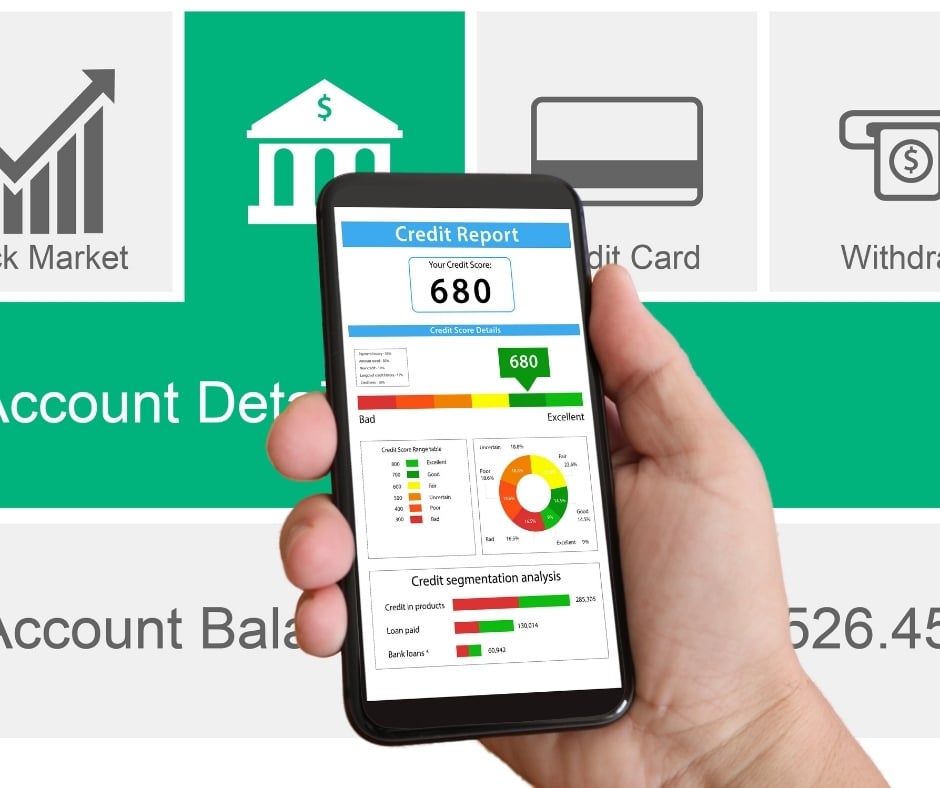
Fourth, you have the right to obtain a credit score, a numerical summary of your creditworthiness based on data supplied by credit bureaus.

Last but not least, you have a legal right to challenge incorrect or incomplete information.

You should also be aware that only those with a genuine need have access to your file. Employers will be informed of your records only if you give consent.

Who enforces the FCRA?

Since the moment the legislation was approved, the FTC has had exclusive enforcement power under the FCRA. The Federal Trade Commission is an agency of the United States government that helps people by enforcing antitrust laws and promoting consumer protection.

The FTC is the federal government’s only consumer protection and competition agency in a number of sectors. The FTC pursues effective and aggressive law enforcement, as well as consumers’ interests. 

FAQ

Can you remove dismissed bankruptcies from your credit report? 

The answer is no. You will not be able to remove a bankruptcy from your credit report. It will be removed automatically after seven or 10 years, depending on the kind of bankruptcy you filed.

Can credit repair companies remove bankruptcies?

Not necessarily. There is no such thing as a “quick fix” for credit problems. Credit repair businesses can dispute negative items on your credit reports to fix them. Many, though, are fraudulent and disappear when you pay them.

Remember that you can take similar actions as a credit repair firm for free or with the help of a bankruptcy lawyer. Obtaining copies of your credit reports from the three national credit bureaus Equifax, Experian, and TransUnion is a wonderful first step.

How much will the credit score increase after Chapter 7 falls off?

If you have a Chapter 7 bankruptcy fall off your credit report, you can expect your credit score to go up by around 50-150 points after two to three months. Then it generally hovers around 500 to 550 for the typical debtor.


Is Alimony Dischargeable in Bankruptcy?

Alimony, also called spousal support, domestic support obligation, or maintenance, is a payment from one ex-spouse to another. The payments are typically made after a divorce or legal separation. Alimony can be ordered by a court or agreed upon by the divorcing parties. The spouse who is paying the bills is called the “supporting spouse” that contributes funds to the “dependent spouse”.

Alimony, like child support, is a domestic support obligation that cannot be eliminated in bankruptcy. How can a person afford alimony? Filing Chapter 7 or Chapter 13 bankruptcy might allow an alimony payer to get other debts erased and make the alimony payment more affordable.

How is alimony paid?

Alimony is money paid to a spouse or former spouse after a divorce to assist with ongoing living expenses, such as food. It may be paid in one lump sum or regularly, such as weekly or monthly.

Typically, alimony is paid every month. A judge will sometimes command a spouse to pay a specific sum of money to the other spouse as maintenance, such as in cash or through the transfer of property (separate from the regular process of dividing the couple’s marital property).

Is alimony an unsecured debt?  

Unsecured debt is debt that does not have any collateral pledged to the creditor. In certain loans, such as mortgages and automobile loans, if payments are not made on time, the lender has the legal right to seize the debtor’s property.

An obligation to pay alimony is not suspended or halted by filing for bankruptcy. Whether a divorce decree-determined duty is dischargeable depends on whether it is classified as support or property settlement.

In many cases, obligations for property settlement may be canceled in bankruptcy, but alimony payments can’t. Whether an obligation is a support or property settlement obligation is made by federal bankruptcy legislation rather than state law.

How does debt affect alimony?

A judge will consider numerous factors when determining whether or not to award alimony, including the paying party’s financial situation.

In certain circumstances, a judge will demand one spouse to reimburse the debts of the other as alimony. In other situations, a judge will forgo ordering alimony if the paying spouse would incur greater debt paying alimony.

If you’re receiving alimony, you must reveal how much money you receive each month. Take the last six months of receipts and calculate the average monthly amount if your payments fluctuate.

Means test and alimony

The means test is based on your income, which alimony payments may impact. Alimony obligations aren’t discharged in bankruptcy. The automatic stay, however, might influence a debtor’s obligation to pay alimony during a pending bankruptcy case. Filing for bankruptcy may also impact any changes to alimony terms.

In any case, there are a few exceptions to the application of the automatic stay. One such exception is alimony claims in court. As a result, the automatic stay will not prevent the commencement or extension of a legal action related to alimony payments in civil or family court as long as it does not involve the non-filing spouse seeking to distribute property that is part of the bankruptcy estate.

If a debtor’s income is being withheld as the consequence of an administrative or judicial order for family support duties, it will continue even if he or she files for bankruptcy. Wage garnishments will not be stopped by the automatic stay in this instance.

FAQ

What debts are not dischargeable in Chapter 13?

The following debts are not discharged in a chapter 13 bankruptcy:

  • A home purchase or mortgage is one of the most important long-term financial commitments you’ll make.
  • Certain debts for alimony or child support, income taxes that have been assessed within the 3 years before your bankruptcy filing, government-funded or guaranteed educational loans, and benefit overpayments are not dischargeable.
  • Personal expenses resulting from death or personal injury caused by a driver who was intoxicated

Can you go to jail for not paying alimony in Michigan?

Failure to pay spousal support may result in a host of penalties, including civil and/or criminal ones. A person can be charged with a felony in Michigan and face up to four years in prison if they do not pay alimony on time or in the amount set by the court.

Spousal support is not always given in a divorce case, according to Michigan divorce law. If one spouse asks for spousal support and the couple cannot agree on assets or property division, the court must rule on whether spousal support is required.


Gambling While in Chapter 7

Technically, you are allowed to gamble while in Chapter 7 bankruptcy. However, there are a few things that you need to keep in mind if you do choose to gamble while amid your bankruptcy case.

First and foremost, any money that you win while gambling will become part of your bankruptcy estate. This means that your creditors will be able to take a portion of your winnings to pay off your debts.

Additionally, if you have a gambling addiction, it is important to get help for this before you file for bankruptcy. This is because gambling can lead to even more debt, which can make it more difficult to get a discharge in your bankruptcy case.

How good is gambling for your wallet?

The gambling industry claims that the gambling business is a socially beneficial one with both economic and non-economic benefits. It is claimed that gambling creates wealth through job creation, consumer spending, and increased tax revenue. However, the economics of gambling are debatable.

The correlation between gaming and gambling debts to bankruptcy filings is unclear. Some studies claim that gambling is either a major reason or a contributing factor in bankruptcy filings. It also says that 10% to 26% of problem gamblers file for bankruptcy.

Regulations on gambling

Gambling is not mentioned in the US Constitution, and therefore it does not fall under federal jurisdiction. The 10th Amendment reserves the right to regulate gambling in the states.

Congress has enforced the Interstate Commerce Law to limit both interstate and international gambling.

Each state has the authority to prohibit or legalize the practice within its boundaries. Almost every state, if lotteries are run by the government, can be considered to allow some degree of gambling.


Gambling and bankruptcy

The goal of bankruptcy is to separate the innocent but unfortunate debtors from those who have committed various types of culpable actions.  This is accomplished by forgiving the debts of the former and holding the latter accountable through different types of bankruptcies.

If the debtor has lottery tickets or other similar gambling property, they must be reported. Gambling winnings that were acquired at the time of filing are a part of the estate’s assets and must be disclosed.

Difference between non-gambling debt and gambling debt

Unsecured debt, such as gambling debts, is unsecured and should be written off completely in a chapter 7 bankruptcy and placed behind secured debts in a chapter 13 repayment.

Sometimes, creditors may fight back and protest the debt being forgiven.

Gambling debts are frequently defined as unsecured debt since they are not secured by any property. This makes them comparable to credit cards or medical expenses. As a result, gaming debt is typically dischargeable in bankruptcy.

However, there are some exceptions to this rule. If you incurred your gambling debt while you were intoxicated or if you gambled intending to incur debt, then your gambling debt may not be discharged in bankruptcy.


Gambling addiction

Additionally, if you have a gambling addiction, you may want to consider getting help for this before you file for bankruptcy. This is because gambling can lead to even more debt, which can make it more difficult to get a discharge in your bankruptcy case.

Are gambling debts dischargeable in bankruptcy?

It wasn’t long ago that bankruptcy courts routinely rejected gambling debts as non-dischargeable. However, more recently, and perhaps as a result of the increase in permitted gambling in many states, the courts have begun allowing debt discharge.

Gambling debts are dischargeable in bankruptcy, just like other types of unsecured debts such as credit cards and personal loans. Certain gambling debts, on the other hand, may be exempt from discharge under certain circumstances.


In conclusion, gambling is not illegal while in Chapter 7 bankruptcy, but there are some things that you need to keep in mind if you do choose to gamble. Any money that you win while gambling will become part of your bankruptcy estate and your creditors will be able to take a portion of your winnings to pay off your debts. Additionally, if you have a gambling addiction, it is important to get help for this before you file for bankruptcy.

FAQ

Can I get charged with fraud for declaring bankruptcy due to gambling debt?

A creditor may challenge your bankruptcy filing if they believe that you incurred your debt under pretenses or by fraud. Gambling is viewed as fraudulent for debtors if they intend to use it to avoid creditors from getting money. When a debtor gambles during bankruptcy, all of his or her debts become non-dischargeable. As a result, the debtor will be required to pay off all of his or her post-bankruptcy obligations, not just gaming debts.

Do I have to report my gambling debts or wins?

All winnings from lotteries, raffles, horse races, casinos, and other forms of gaming are taxable. Non-cash awards such as automobiles or holidays are valued at their market value.

Gambling losses are also tax-deductible to the extent of your winnings, but they must be declared as taxable income on your tax return. Gambling profits are completely taxed and must be shown on your income tax return.

Who can help me understand bankruptcy and gambling?

If you have any questions about gambling while in Chapter 7 bankruptcy, be sure to speak with your bankruptcy attorney. They can give you specific guidance on how to handle this issue in your particular case.


All You Need To Know About The 90-Day Clawback Period

When you file for bankruptcy, the court issues an automatic stay. This means that creditors are no longer allowed to contact you or try to collect debts. The automatic stay is in place for the duration of your bankruptcy case.

However, there is one exception to the automatic stay: the 90-day clawback period. It is the time frame during which a bankruptcy trustee attempts to recoup cash from creditors.

Read on to find out more about how the 90-day clawback period works.

What is the clawback period?

This 90-day period begins on the date that you file for bankruptcy. During this time, the trustee has the right to demand payment from creditors. If a creditor does not comply with the trustee’s request, the trustee can take legal action to recover the money.

Section 547 of the Bankruptcy Code allows a trustee to sue creditors who were paid by the debtor before filing for bankruptcy. The aim is to regain any unlawful benefit that the creditor acquired.

Why does the clawback period exist?

The power to reclaim money that the debtor has previously given away improperly is known as “clawback.”

The beneficiary is liable for any excess or unauthorized payments made during the bankruptcy proceedings. This clawback allows the trustee to recoup assets that should have been part of the debtor’s bankruptcy estate but were eliminated or hidden from the trustee by fraudulent transfers or preferential transfers.

It’s not a question of whether the debtor committed a crime or that the debt was fraudulent. It’s about seeking fairness for both secured and unsecured creditors in the end.

A trustee may usually ask for the return of money paid by the debtor to third parties within 90 days of the bankruptcy filing.

What are preferences?


Preferential transfers (also referred to as preferences) happen when one individual’s debt is paid off ahead of time so that it benefits one creditor above others. This includes both a secured creditor, a family member, a business partner, or anyone else.

For example, if a debtor repays $1,000 owed to his credit card debt 60 days before filing for bankruptcy, it will be considered a preference,  since the credit card debt got paid first.  If a debtor repays $1,000 owed to his father 200 days before filing for bankruptcy, then it will be considered an insider preference. The Trustee can clawback up to one year to recover any insider preferences.

A court-appointed trustee or the other creditors in the case have the power to request that all payments made by the debtor to third parties 90 days before the case’s commencement be returned or “clawed back.”

Are most payments preferences?

The preference recipient’s bankruptcy law provides some protections.

A contemporaneous exchange is not a preference. So, if you pay for the food you ate at a restaurant and the goods and payment for those goods change hands at the same time, there is no preference.

How much money is considered a preference?

Payments totaling more than $600 in the 90 days before filing are avoidable by law. However, it is not worth pursuing creditors for $600.

The sum is undoubtedly more than $600, but each trustee has her guideline for when a preference can be recovered to provide a dividend to creditors.

What is the preference period?

The bankruptcy trustee does not have an infinite amount of time to work in. The 12 months leading up to the date you file bankruptcy for payments made to friends and relatives, known as “insiders,” is your “preference period.”

For other unsecured creditors, such as past-due utility payments or an unsecured credit card, the period for preference payment is even shorter.

The debtor’s bankruptcy estate

If a debtor decides to transfer the title of an asset before filing bankruptcy, the item may be reclaimed from the estate under the clawback provision.

In some instances, the bankruptcy trustee assigned to manage the debtor’s financial affairs can get these pre-bankruptcy belongings back from people or businesses who received them.

In bankruptcy, the clawback provision allows trustees to look at financial transactions made by the debtor before filing bankruptcy to see whether he or she transferred or gave away any assets in violation of the “look-back period.”

The trustee can reclaim these assets, or their value, for the debtor’s bankruptcy estate from any other creditors who received them.

Not all preferences are the same everywhere

Keep in mind that preferential payments are a bankruptcy-specific law. This means that the rules may vary from state to state. For example, according to California state law, a debtor has the right to choose and select among his creditors. In Michigan, Chapter 7 trustees can claw back up to 6 years on fraudulent real estate transfers. 

It is advisable to seek the counsel of a bankruptcy attorney in your area to discuss your particular circumstances and the law as it applies in your jurisdiction. Establishing a safe attorney-client relationship can help you understand nuances in the bankruptcy code that are only known to a professional law firm.

How does the bankruptcy trustee recover preference payment?

The trustee has the authority to void or “clawback” certain payments made by the debtor in the 90 days before bankruptcy. This includes payments to friends, family, and businesses owned or controlled by the debtor within the last year. The trustee can also recover assets transferred by the debtor during this period.

When a transfer was made in return for anything that adds to or does not deplete the debtor’s assets, it will be avoided by a trustee.

The new value is something that can be given in exchange for a property. It can be cash or a release of a judicial lien. It doesn’t include the swap of an existing obligation for a new one.

Will a bankruptcy filing help my financial distress?

Bankruptcy may help you if you are struggling to pay your credit card company, car loans, or any antecedent debt. It can give you a fresh start by discharging some of your debt and reorganizing your remaining debt.

Although you can do a bankruptcy filing on your own, it can be extremely helpful to hire a bankruptcy lawyer or law firm to be by your side when going to bankruptcy court.

Attorneys evaluate your case, investigate your pre-bankruptcy payments, check your total debt owed, and help you see if you qualify for debt relief.

An attorney-client relationship keeps sensitive or confidential information safe and many debtors feel better than using any other self-help services when facing a complicated bankruptcy case.


Will the clawback period necessarily secure money for the debtor in bankruptcy?

If you’re considering filing for bankruptcy, it’s important to understand how the clawback provision works and how it may affect you.

In many circumstances, payments made within the 90-day preference period were not preferential, as recognized by most trustees.

Debtors may try to move property or cash to family members or “insiders,” intending to hide the assets “safe” until the bankruptcy case is over. The trustee may suspect a preferential payment and investigate the transfers.

If it is determined that this preferential transfer is a fraudulent conveyance, the trustee can void the transfer and get the property back for the benefit of the debtor’s creditors.

So beware of realizing any preferential or fraudulent transfers to save either your business or financial affairs when you pay creditors.

What can a creditor do not to lose money?

Typically, creditors must engage legal help to defend or settle preference claims, although various defenses may be used by creditors.

A lender who makes preferential payments has the right to file an unsecured proof of claim against the bankruptcy firm, but typically receives a minor portion of his or her money back.


In conclusion, the clawback can help the debtor in bankruptcy by getting assets back that were transferred during the 90 days before filing. The trustee may investigate and void any fraudulent conveyances. Creditors can use a variety of defenses to protect themselves from losing money, including the ordinary course of business defense or the new value defense.


Should I Tell Creditors I Am Filing Bankruptcy?

The answer to this question is generally no. When you have a lot of debt (from credit cards, personal loans, medical bills, or a car loan), expect to receive more calls from creditors than you’d like. It isn’t very pleasant to feel like your phone has been taken over and you’d want the calls to stop.

Unfortunately, informing your creditors that you want to file for bankruptcy is unlikely to work. They can continue to reach out to you. One of the benefits of simply retaining a bankruptcy attorney is that your creditors will now be required to contact your attorney and by law must stop contacting you or face possible court sanctions.

You are not required to notify your creditors that you are planning to file bankruptcy; in fact, it may be in your best interest not to do so. However, there are a few exceptions to this rule, so it’s important to talk to an experienced bankruptcy attorney before making any decisions.

Here are some of the cons of giving creditors information about your financial situation and a possible bankruptcy process.

Potential adverse effects of notifying your creditors

No assurance threatening to file bankruptcy will deter creditors from calling you. The only surefire way to prevent this is actually to hire a bankruptcy attorney. Once you file the bankruptcy case with your attorney the “automatic stay” (i.e., the bankruptcy protection) comes into play, effectively freezing any attempts by your creditors to collect money owed.

Creditors are aware of the potential consequences of committing a violation and usually cease taking any further collection efforts. You should be careful to inform a creditor of your bankruptcy intentions because the creditor may intensify its efforts to get money out of you before it’s too late. Finally, no one knows what the creditor will do next, such as filing a lawsuit against you.

Yet beware of unfair debt collection!

The Fair Debt Collections Practices Act (FDCPA), a federal statute, prohibits debt collectors from using abusive methods to collect a debt.

Under the FDCPA once you simply retain an attorney to assist you with your debt obligations, then the creditor must only contact your attorney representative to discuss or resolve the debt. It also sets boundaries for creditors to prevent them from calling you in the middle of the night or from calling you an unreasonable amount of times.

Harassment from a debt collector is never OK. If you are scared, write to the firm and request that they cease calling you. If you ask them to stop contacting you, they are required by the FDCPA to comply.

How to stop phone calls and creditor harassment

A debt collector is limited by federal law from employing any deceptive, fraudulent, or misleading means to collect a debt. For example, misrepresentations about the debt are illegal under this legislation.

If you sue under this federal law and win, the debt collector will usually have to pay your attorney’s fees as well as damages. Of course, in this case, they can no longer contact you with any more collection calls.

Negotiate down the debt by working with the secured creditor or lender

If you owe money and manage your creditors yourself rather than employing a for-profit debt settlement firm, you may save a lot of money.

After you’ve decided to pay a debt, it’s time to figure out what you can afford. Take a good look at your finances.

Negotiating a settlement

Set a firm stance with certain creditors when you go to the bargaining table. Debt collectors and creditors are not allowed to threaten you with arrest or state that you will be arrested if you don’t pay your debt.

Be wary of the particular creditor that claims to be government contractors or subcontractors for government agencies like the IRS.

Some debtors consider that hiring a bankruptcy lawyer is a good idea for this negotiation. Since most bankruptcy attorneys know the ins and outs of the bankruptcy code and offer a free consultation, a debtor may visit them to decide if a bankruptcy attorney can be of assistance.

Advantages of settling a debt with a law firm

If you go to a free consultation with a lawyer, even before you talk about filing for bankruptcy, you can ask for assistance and discuss how to settle your debt. The main advantage of doing this is that you can get honest and accurate legal advice.

A bankruptcy attorney also might be able to get a lower settlement amount from the creditor than you could on your own because they are familiar with the law, have likely settled similar debts in the past, and creditors recognize that filing for bankruptcy is a legitimate possibility.

Working with a bankruptcy attorney provides you with protection from unlawful debt collection tactics, as well as confirmation that the calls and harassment will cease.

The attorney-client relationship has other great advantages like forming a solid strategy and providing an overview of all the options available to you.

How to hire a bankruptcy attorney for a bankruptcy filing to stop collection activities

You can find bankruptcy attorneys through online directories, word of mouth, or by contacting your state’s bar association. Once you have a list of potential candidates, set up consultations to get more information about their experience and fees.

Talk with the bankruptcy lawyer about the possibility and benefits of filing bankruptcy and what bankruptcy plans you have in mind. Yet keep open to the possibility that the attorney can suggest not going to bankruptcy court as the best solution.

Filing for bankruptcy to stop contact with a creditor

With a Chapter 7 bankruptcy filing, an automatic stay immediately goes into effect. The stay is a court order that stops all collections, including calls and letters, from the moment you file your case.

Yet bear in mind that according to bankruptcy laws, a creditor is not allowed to contact you directly or take any action to collect a debt once you get a case number. You will be assigned a case number when your bankruptcy petition is filed in bankruptcy court.

Proceedings will not always stop creditors

Some debtors mistakenly believe that simply informing the lender that a claim will be filed is enough to deter them from pursuing collection efforts.

Bankruptcy proceedings will not necessarily stop creditors from taking legal action against you. In some cases, your creditors may request that the court allow them to “lift the automatic stay.” If this happens, your creditors will be able to continue with any legal action that was already underway against you before you filed for bankruptcy.

Collection agencies will not care about bankruptcy protection until you get your case number and your creditor will probably continue to call you until they receive notice of your bankruptcy number.

The best method to notify your creditors you file bankruptcy

The Bankruptcy Court informs your creditors about your bankruptcy case once it is filed.  Bankruptcy cases are filed through an electronic filing system called ECF or pacer.  

This allows cases to be filed from anywhere at any time of day. The most common method for debt collectors to learn about bankruptcy filing is through a letter from the United States Bankruptcy Court Clerk.

The law requires that creditors on your bankruptcy schedules are notified of the filing. The B-9A is a type of letter in which all sorts of intricate information about the filing may be found.

What is a B-9A letter?

This letter includes:

  • Debtor’s name
  • Address
  • Social Security number
  • Client’s attorneys
  • Location and phone number of the office
  • Case number
  • Jurisdiction
  • Trustee
  • Date, time, and location of the Meeting of Creditors

A B-9A letter will be sent to all creditors listed on your bankruptcy schedules. The letter will provide information about the meeting of creditors, also known as the 341 Meeting.

All you have to do is wait for the notification from the court that your creditor has been receipt of the B-9A form.

In conclusion, remember that while an attorney can help you with your bankruptcy filing, the hiring of a law firm has no legal significance for creditors. The most important thing is that the court sends out notifications to all of your creditors about your bankruptcy case. Once they have received this notification, they are legally required to cease all collection efforts.

How long does it take for creditors to be notified of bankruptcy?

Creditors are notified within three to five days of you filing bankruptcy. This happens via mail, as part of a notice of what’s called the first meeting of creditors. This typically occurs 20 to 40 days after your bankruptcy petition has been filed.

How do creditors know I filed bankruptcies?

Creditors will know that you filed a bankruptcy because the court is required to notify them. The clerk’s office will mail a notice to all creditors that you have filed for bankruptcy.

What To Do With Credit Cards Before Filing Bankruptcy Chapter 7

One of the good things about filing for Chapter 7 bankruptcy is that it eliminates your debts, which might include credit card charges.

If you’re considering filing for bankruptcy, it’s important to understand what will happen to your credit cards.

It’s time to stop using your credit cards once you’ve decided to file bankruptcy. The debts in your bankruptcy won’t necessarily be erased if you run up your credit card bills just before filing (and don’t even consider any luxury goods).

If you know you won’t be able to pay when you make the purchase, and yet you never planned to fulfill the obligation, a creditor might file an adversary proceeding, which is a lawsuit against you. 

This lawsuit in the bankruptcy case will assume that you used your credit card right before bankruptcy without ever having the intention of repaying the credit card.

How are credit cards treated in a typical Chapter 7 bankruptcy?

A Chapter 7 bankruptcy filing is assigned to a bankruptcy trustee, who is tasked with administering your case and deciding what will happen with your total debt and any unprotected assets.

If there are unprotected assets, then once the trustee reduces those assets to cash otherwise known as a liquidation, then the trustee will use those liquidated funds to pay creditors a proportion of what they’re owed.

Only the bankruptcy trustee pays out money to the credit card company and other unsecured creditors (whether it be one creditor or many).

Which payments are made first?

Secured claims, (e.g. mortgage or car loan) get paid first on any asset that is liquidated that the creditor has a valid security interest in.

Priority claims, such as outstanding tax obligations and back domestic support obligations, are then paid.

Nonpriority, unsecured debts such as credit card balances and medical expenditures are paid last.

When to stop using credit cards before filing Chapter 7


If feasible, everyone should stop using their cards entirely if they have money problems.  Owing money to either one single creditor or many creditors will not be solved using your card again and again. This works briefly but makes things worse in the long run.

Remember the use of a card is only healthy when you can pay it completely with a part of your total monthly income.

Is it time to file for bankruptcy?

If you feel like you’re sinking in quicksand, maybe it’s time to obtain a bankruptcy discharge.

Remember that once you file for bankruptcy, most credit card companies will thoroughly examine all of your purchases and other activity on the account.

Any debt you incur after you file bankruptcy will not be part of the bankruptcy and you will be required to repay it.

Will a credit card company discharge me during my Chapter 7 bankruptcy?

The goal of bankruptcy is to relieve individuals of personal responsibility for their financial obligations. 

The success rate for discharging unsecured debts such as your cards through Chapter 7 is an amazing 95.3% (you can read more about this HERE).

Important tip

All of your unsecured creditors must be treated equally under the Bankruptcy Code. You can’t make yourself favor one credit card firm by making a large payment before submitting your bankruptcy filing.

If you do, your bankruptcy trustee might reverse the payment and distribute the money among your creditors.

Cases when a bankruptcy petition cannot be filed

Not everyone is eligible for Chapter 7 bankruptcy. You are not qualified if you have filed for bankruptcy in the last eight years.

If you have been convicted of a federal felony or fraud in the last five years, you may not be eligible.

Finally, if your previous case was dismissed due to willful failure to comply with court orders, filing for bankruptcy may be ineffective.

Fraud and bankruptcy protection

Under bankruptcy law, any debt obtained by deceit, misrepresentation, or false promises is not dischargeable.

This includes charges or cash advances you didn’t intend to pay back when you used your card.

Because they must show that you had no intention to pay back the debt when you incurred it, companies like Visa or MasterCard may have a difficult time establishing fraud in bankruptcy court.

However, in certain cases, the card company has an easier time because the legislation presumes that your charges or cash advances were fraudulent if you used the credit card for non-essential items or luxury items within the 90 days preceding the bankruptcy case filing.

When will the bankruptcy code presume fraud and nondischargeable debts?

If you’re seeking debt relief that works, keep these two sorts of costs in mind and their probable worth. The figures apply to cases filed between April 1, 2022, and March 31, 2025.

ONE. Luxury items within 90 days of bankruptcy

If you charge more than $800 on a single credit card for luxury goods or services within the 90 days before filing your bankruptcy, those debts are presumed to be nondischargeable.

TWO. Cash advances within 70 days of bankruptcy 

If you make monthly cash advances of over $1,100 in total during the 70 days preceding your bankruptcy filing, those loans are assumed to be nondischargeable.

What to do when your credit card charges may not be erased

You can’t plan to erase any new debt without getting rid of the old one. Fortunately, there are other ways to get debt relief if your card companies are not discharged from bankruptcy.

The first one is to limit your credit card use and rely solely on cash for critical purchases. An obvious goal is that you need to forget about luxury goods.

If you have a few isolated debts that are not erased in bankruptcy, you may be able to pay these off over time without having to declare bankruptcy again.

The snowball method

Use the debt avalanche approach to pay off one credit card while making minimum payments on all other cards.

You may use your excess cash to begin paying:

  • Either the highest-interest-rate debt first
  • Or the debt with the smallest amount first

If you have excellent credit, you may transfer your outstanding balance to a new card with a lower interest rate. Some cards offer 0% annual percentage rates for a certain period and do not charge any balance transfer costs for the first few months. To obtain such a no-fee, low-rate card, you’ll need a decent score.

Debt management plans

You could also sign up for a management plan that includes the services of a credit counselor. Think about using professional help to learn specific information related to filing bankruptcy.

A counselor can assist you in several ways:

  • budgeting
  • developing a strategy
  • dealing with creditors

What to do if credit card debts keep growing?


When your card balance just seems to keep going against you, you might consider hiring a bankruptcy lawyer to see if they can help you file a bankruptcy case.

Bankruptcy filings can be done on your own, but going to a law firm and establishing a confidential attorney-client relationship might help you go back to sleep at night.

The premises of the attorney-client relationship

This relationship is different from a counseling service. In general, attorneys handle sensitive or confidential information daily.

An attorney’s ethical duty is to maintain a confidential relationship and not to disclose information without the client’s consent.

Your lawyer can give you objective advice about the pros and cons of bankruptcy. Since attorneys evaluate every case with knowledge of the law, they can tell you what type of bankruptcy might work best for your unique circumstances.

How to get a free evaluation by a bankruptcy attorney

Unfortunately, the internet isn’t necessarily secure to find out about the available services a law firm provides. Many websites are only interested in marketing purposes so they use pre-recorded messages or other automated technology for attorney advertising.

If you are thinking about filing for bankruptcy and erasing what you owe to your cards, we recommend you do a zip code search on Google and call the attorneys that are near you. It is better not to send text messages or emails.

Go and meet the attorneys in person and ask them for details on their services. Explain your case and ask for a free evaluation. Many attorneys will usually offer you a free initial consultation.

Be honest and tell them you need professional help. If you think they can handle your case, provide details of that which worries you.

Some attorneys can easily give you references for their services with other clients. You should check these references to make sure they are legitimate.

You can also ask the attorney for an estimate of how much their services might cost you. If you file with that attorney and he or she takes your case, provide them with information about the ways you will work with them.

Don’t let your credit card debt close the doors for you. Ask for help to file for bankruptcy!

FAQ

Will a credit card company give me a new card after filing for bankruptcy?

Obtaining a new credit as soon as possible depends on the sort of bankruptcy you filed, as your bankruptcy must first be lifted. This might take anything from 6 months to 5 years.

What information can I give my bankruptcy attorney to help in my bankruptcy case?

Describe your situation in a few sentences. You may assist the bankruptcy attorney in evaluating your case by providing information regarding the kind of debts (like car loans, student loans for example), the estimated value of debts, and the important dates for your creditors.


When Should A Small Business File For Bankruptcy?

There are many factors to consider when deciding whether or not to file for bankruptcy as a small business. Some common reasons why businesses seek to file bankruptcy include:

  • To discharge debt that the business is unable to pay
  • To reorganize the business and its finances
  • To sell off assets to raise money to pay creditors

If your small business is struggling to make ends meet, it may be time to consider filing for bankruptcy. Bankruptcy can be a difficult decision, but it may be the best option for your business.

What happens to a small business filing for alternative bankruptcy?

Bankruptcy is a legal procedure undertaken by businesses with significant financial problems who cannot fulfill their immediate financial obligations.

When it comes to the bankruptcy code, the objective is usually to restructure debt so that a company may recover from its situation or sell off assets and pay back debts. However, not every scenario is the same, and the prospect of creditors, stockholders, and bondholders regaining their money are determined by a variety of circumstances.

What is a small business debtor?

A “small business debtor” is a person who is engaged in commercial or business activities and has aggregate noncontingent liquidated secured and unsecured debts of less than $2,000,000 as of the filing date for the petition or the order for relief. However, this debt limit may be increased in the near future by the U.S. Congress.

It may include any affiliate or joint debtor of such person who is also a debtor under this title, and a person whose primary business is the ownership of single asset real estate.

What happens when a small business goes to bankruptcy court?

A small business going to bankruptcy court means that the company is in danger of not being able to pay its creditors. In this case, the distressed company may ask the court to either discharge (wipe out) some of its debts or reorganize its debt so it can pay them back over time.

In most situations, a Chapter 7 business bankruptcy filing will terminate the company because no method exists to protect property belonging to a separate legal entity like a limited liability company (LLC). The trustee sells the firm’s assets, pays its creditors, and shuts it down.

On the other hand, sole proprietor small business owners can only file for Chapter 13 bankruptcy protection. As a result, if your firm is a partnership, corporation, or LLC, you will not be able to proceed with its Chapter 13 case.

Sole proprietors and business bankruptcy

You can include personal and business debt in your Chapter 13 bankruptcy if you are a sole proprietor business owner, just like in a Chapter 7 bankruptcy.

If you are a sole proprietor small business owner who has money, a Chapter 13 bankruptcy might be your best alternative. You might be able to keep the company operating while paying less on nonpriority unsecured personal and business obligations such as credit card bills, utility payments, and personal loans.

The small business reorganization act

The following are some of the features of small company bankruptcy:

  • shorter deadlines
  • a lot of flexibility to negotiate with other creditors
  • a private trustee to facilitate the bankruptcy process 

The bankruptcy case is facilitated because the debtor must file a reorganization plan for the distressed business with the court’s approval within 90 days of the filing date, and in this way, the trustee may help.

Even if the disgruntled creditors do not accept the plan, the court may still approve it under bankruptcy law.

The restructuring plan must ensure that all expected disposable income for three to five years is used to pay creditors and protect the creditors’ rights. It must be just and equitable to repay creditors equally.

The small business debtors must also submit a disclosure statement to the court that includes information on the scheme for the distressed company’s creditors to consider.

A liquidation analysis that estimates proceeds and cash flow that may be gained if the firm were liquidated must be included in the disclosure statement.

The struggling businesses must also submit some projections about their ability to make payments for the benefit of creditors as indicated in the small businesses’ reorganization plan.

Additionally, once the debtor’s scheme is confirmed, any debts that existed before the confirmation date are removed.

Which business bankruptcy is better: Chapter 7 or Chapter 11?

For a small business debtor, there are several possibilities for business bankruptcy.  The business may be reorganized under Chapter 11 Subchapter V (5), or it may be liquidated under Chapter 7.

Chapter 11 bankruptcy is a business reorganization plan, often used by large businesses to help them stay active while repaying every creditor separately with a repayment plan.  However, the U.S. Congress recently enacted the Chapter 11 Subchapter V (5) bankruptcy specifically for protection and access to bankruptcy for a small businesses.

Chapter 7 bankruptcy does not need a repayment strategy, but it does require you to sell or liquidate non-exempt assets to satisfy small businesses’ obligations for the benefit of creditors.

Non-bankruptcy alternatives for distressed small businesses

The Coronavirus Aid, Relief, and Economic Security Act (2020) allowed for direct help to American small businesses.

From March 27, 2021, the CARES act raised the debt limit from $2,725,625 to $7,500,000 for Subchapter V cases under the CARES Act. This only applies to qualifying and electing Subchapter V small businesses.

If you are a small business debtor who wants to benefit from this bankruptcy protection, it may be complicated to determine your eligibility. You should seek the counsel of a bankruptcy lawyer to see if you can file for bankruptcy protection.

Bankruptcy might not be your only option as a small business owner in financial distress. You may also consider:

  • Obtaining additional financing
  • Selling your business
  • Closing your business 
  • Negotiated creditor workouts
  • Dissolution or winding down of the business

Working with a law firm as a more efficient alternative

Suppose you are planning on taking advantage of the small business reorganization act and you want to dodge the worst-case scenario. In that case, it is advisable to work with a law firm that understands small business bankruptcy business reorganizations.

Privileges of the bankruptcy attorney-client relationship

A bankruptcy attorney understands perfectly well a bankruptcy process and the bankruptcy code. For them, showing up at the bankruptcy court under financial distress is every day.

If you are still having doubts, you must remember the attorney-client relationship is confidential, which means that the lawyer cannot be forced to testify against you in court.

The attorney can also help you choose the right type of bankruptcy for your business and give you an objective opinion about your case based on your historical financials.

Your lawyer will also be able to help you develop a reorganization plan and negotiate with your creditors. You can organize with them a workout plan to get more cash, how to get new capital, how to continue operating with a debtor, and how to benefit from any automatic stay.

Additionally, if you have any questions about the bankruptcy process for business owners, your lawyer will be able to answer them.