
Chapter 13 Foreclosure Timeline in Michigan: What Happens After You File — and How It Can Save Your Home
For many homeowners in Southeast Michigan, the word “foreclosure” feels like a finality. If you’ve fallen behind on payments, you might feel like you’re just waiting for the inevitable knock on the door.
But in Michigan real estate law, there is a powerful emergency brake that most people don’t realize they can pull. It’s called Chapter 13 bankruptcy.
Unlike a Chapter 7 liquidation, Chapter 13 is a recovery plan. It resets the clock instead of stopping it. Here is exactly how the Michigan foreclosure timeline works and how filing Chapter 13 can help you rewrite your future.
How Michigan Foreclosure Actually Works (And Why It Moves Faster Than You Think)
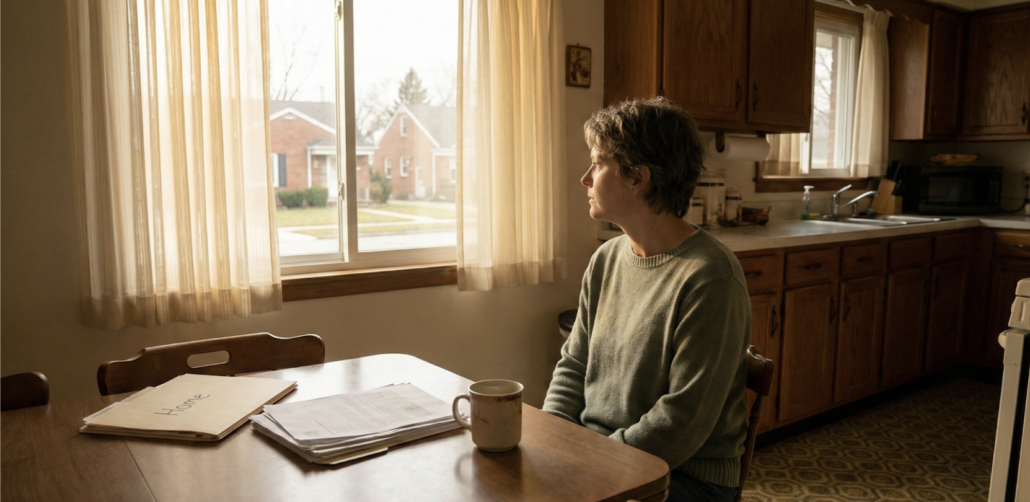
Michigan is a non-judicial foreclosure state. What this means is that the lender doesn’t have to sue you in court to take your house.
Instead, the state follows what’s called a Foreclosure by Advertisement process, which is outlined under MCL 600.3201.
Because there is no judge involved, the process can move with speed. Once you miss a few payments and the lender meets certain requirements, they simply publish a notice in a local newspaper once a week for four consecutive weeks.
Within 15 days of that first notice, they post a physical copy of the foreclosure on your front door.
From your first missed payment to the day of the Sheriff’s Sale, the process can take as little as six months. If you’ve been ignoring the mail, you could be weeks away from losing ownership of your home without stepping foot in a courtroom.
The Redemption Period is Not as Safe as It Sounds
Luckily, there is a redemption period in Michigan foreclosures.
According to state law MCL 600.3240., most homeowners have six months after the Sheriff’s Sale when they can “redeem” the property. As long as you pay the full price of the sale plus any interest and fees, the home is yours again.
The danger, of course, is that the sale has already happened. Instead of being an owner of the property in the traditional sense, you’re not just a guest in a house that’s been sold to someone else.
It can get worse, too. If the home is deemed “abandoned” at any point, the redemption period can be slashed down to just 30 days. Unfortunately, this is quite common in high-vacancy areas such as Pontiac and Detroit.
This illustrates why waiting until the redemption period to act is a high-stakes gamble. By then, the debt is often too large to settle, and your options have all but vanished.
Here’s What Filing Chapter 13 Actually Does to Stop a Foreclosure
If you’re facing a Sheriff’s Sale any time soon, filing for Chapter 13 bankruptcy changes the rules of the game instantly. Here’s how …
The Automatic Stay — Your Legal Pause Button
The moment you file a petition in U.S. Bankruptcy Court, a legal shield called the Automatic Stay goes into effect.
The stay is a federal injunction that legally prohibits the lender from continuing the foreclosure. They’re also prohibited from calling you or going forward with a Sheriff’s Sale.
The great part is that it’s instantaneous. If the Sheriff’s Sale is scheduled for 10 a.m. and your bankruptcy is filed at 9:55 a.m., the sale can’t proceed legally.
One thing to note is that if you’ve had another bankruptcy filing dismissed within the last year, the Automatic Stay may only be in place for 30 days. It may not even apply in some circumstances without a special moment.
So, getting the filing right the first time is essential.
Catching Up on What You Owe — Without Losing the House
While Chapter 7 bankruptcy is great for wiping out credit card debt, it doesn’t have a mechanism to save a home if you’re behind on payments. Chapter 13 does.
Under 11 U.S.C. § 1322(b)(5), you can do what’s called “cure” your mortgage arrears. Essentially, you can take the back payments that you owe and spread them out over a repayment plan that lasts three to five years.
As long as you make your current monthly mortgage payment and your plan payment, the lender can’t refuse this arrangement. You are forcing the lender to let you catch up.
The Chapter 13 Foreclosure Timeline, Broken Down by Phase
Navigating the court system can be challenging and requires precision. Here is a sample path your case will take.
Week One: Filing, the Stay and Buying Yourself Time
You and/or your attorney will file your petition, schedules and a credit counseling certificate. In Southeast Michigan, you must use the EDMI Mandatory Local Chapter 13 Plan form. This document outlines exactly how you intend to pay back your debt.
Month One: The 341 Meeting and What to Expect
Roughly 21 to 40 days after filing, you will attend a “Meeting of Creditors,” commonly referred to as 341 Meeting. Chapter 13 trustees typically oversee these meetings.
It’s nothing to be scared of. Judges don’t attend the meetings, and most lenders don’t show up, either. The trustee simply asks you questions under oath about your income and your plan to ensure you can actually afford the payments.
Months Two Through Six: Getting Your Plan Confirmed
During this period, the court holds a confirmation hearing, at which the judge officially approves your repayment plan. In the Eastern District of Michigan, the most common reason plans fail here is “feasibility.”
The judge needs to be sure your income is stable enough to cover both your regular mortgage and the “catch-up” payments.
Years One Through Five: Staying on Track Until Discharge
Over the next few years, you’ll be making a monthly payment to the trustee, who then distributes that to your creditors.
In the meantime, you should look into whether you’re eligible for a Loss Mitigation Mediation (LMM), as some homeowners in Macomb and Oakland counties are. This court-supervised process allows you to seek a permanent modification to your loan while you’re still enjoying the protections that the bankruptcy court provides.
Is Chapter 13 Actually the Right Move for You?
Chapter 13 bankruptcy might sound great, but it’s not for everyone. There are some basic qualifications you must meet, including …
- Regular Income: This can be wages, Social Security or even rental income.
- Debt Limits: Your total secured debt must be less than approximately $1.39 million.
If you cannot realistically afford your house even with a five-year catch-up plan, Chapter 13 may only be a temporary fix. However, for those with steady income who just hit a rough patch, it may be the most effective tool available in Michigan law to keep your keys.
What to Do Right Now if You’re Facing Foreclosure in Michigan
If you’re facing foreclosure in Michigan, the most important thing to remember is that time is your enemy. The window between a Notice of Default and a Sheriff’s Deed closes in quickly.
So, here are some things you should do.
- Check the Newspaper: If you’re behind, look for your name in the county legal news. Research the publications that serve Wayne, Oakland and Macomb counties so you won’t miss it. Once that notice runs, you have roughly four weeks until the sale.
- Gather Your Documents: You will need six months of pay stubs, two years of tax returns and a recent mortgage statement.
- Consult a Specialist: Ensure the attorney you speak with is admitted to practice in the Eastern District of Michigan Bankruptcy Court. Not all general practice lawyers understand the nuances of the local rules.
How to Find a Michigan Bankruptcy Attorney (Without Getting Burned)
As you vet local attorneys, ask what their Chapter 13 confirmation rate is, as well as how many mortgage cure cases they’ve handled in the EDMI. Search through the attorney system at the State Bar of Michigan to see if they have specialty certification in bankruptcy law.
If you need a free or low-cost option, you can consult with the Michigan Legal Help, Lakeshore Legal Aid and Michigan Advocacy Program.
At Babi Legal Group, our attorneys have more than a decade of experience in bankruptcy, debt settlement and debt collection law. We are licensed to practice in the EDMI and have helped many clients like you figure their way through financial troubles.
To learn more, please contact us today.