What Happens to My EIDL Loan if My Business Closes?
During the COVID-19 pandemic, the Small Business Administration (SBA) rolled out an expansion of an existing loan program meant to help small businesses that were suffering financially from a disaster.
Known as Economic Injury Disaster Loan (EIDL) loans, the program provided much-needed financial support to business owners who were struggling as a result of the pandemic.
While EIDL loans offer favorable terms including low interest rates, high limits and longer repayment periods, they do have to be repaid — unlike the other popular SBA loan program from the time, the Paycheck Protection Program (PPP).
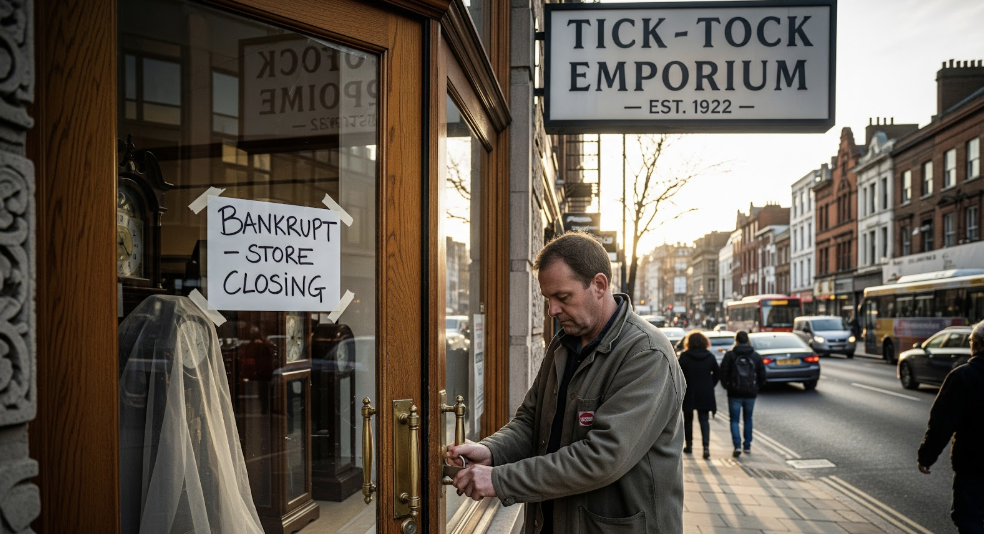
Some small businesses continued to struggle despite taking EIDL loans, and some even had to shut down.
But, closing your business does not automatically erase your EIDL loan. As such, it’s vital to know how the SBA responds in these situations.
Does the SBA Automatically Discharge the Debt?
Borrowers who are still struggling to fully recover from the pandemic need to know how financial hardship factors into the SBA’s collection decisions.
EIDL loans are not automatically discharged just because a business folds. Like many other types of loans, there is no loan forgiveness associated with this program.
In fact, some borrowers are personally liable for the amount they borrowed, depending on how large the loan was.
If you close your business, the SBA will evaluate several factors to decide whether they want to pursue the outstanding balance on your loan. This includes things such as the amount you borrowed, what collateral you put down (if any) and any personal guarantee you were forced to sign.
Are You Personally Liable for the EIDL Loan?
It’s very important to understand personal liability because it can determine whether your own personal finances, and not just the business’, are exposed if you can’t repay.
For EIDL loans, your personal liability likely depends on the total amount of the loan you took.
For loans of $200,000 or less, the SBA typically didn’t require borrowers to put a personal guarantee on the loan. This might limit your personal liability, depending on your loan agreement.
Larger EIDL loans of more than $200,000 almost always involve personal guarantees and/or collateral. This means that the SBA has the legal right to pursue you personally for repayment of any outstanding balance.
What Happens if You Stop Making EIDL Payments?
Similar to how other loans work, if you miss an EIDL repayment, it can trigger a structured federal collections process. Understanding the details of this process is crucial — before the default occurs — so you can know your rights.
As a government agency, the SBA is required to follow a multi-step process once repayments are missed. This includes sending notices of missed payments to borrowers to formally filing default.
Defaulted SBA loans can be sent to the Treasury Department, which has the power to seize tax refunds and certain federal payments. In other words, they can prevent you from getting a tax refund in order to collect the money that you owe them.
Depending on your loan and whether you put a personal guarantee on it, the government may be able to place a lien on your assets such as vehicles and your home even after your business closes.
Options if You Cannot Pay Your EIDL Loan
So, what happens if you are having trouble repaying your EIDL loan?
Until early in 2025, the SBA offered the Hardship Accommodation Plan (HAP), which allowed borrowers to temporarily reduce their payments. However, this program is no longer available.
Luckily, there are several relief paths available, so understanding them will help you choose the best strategy for your financial situation.
One option could be loan modification. Sometimes, the SBA will adjust the repayment terms, extend your repayment timelines or reduce your monthly obligations based on need.
Borrowers who are facing severe financial hardship might qualify to settle their loan for a reduced lump sum. The SBA will evaluate each application for an offer in compromise (OIC) on an individual basis.
If none of those options are viable for you, it’s possible that filing for bankruptcy could eliminate your personal liability tied to EIDL loans, or allow you to restructure it — depending on what type of bankruptcy you file.
Can EIDL Loans Be Discharged in Bankruptcy?
How EIDL loans are treated in bankruptcy varies from one case to the next. So, understanding what can and cannot be discharged is essential before you file.
Chapter 7 bankruptcy, designed for individuals, may eliminate personal liability on EIDL loans if you meet certain qualifications.
Through Chapter 13 bankruptcy, you can reorganize your debts, including any EIDL-related liabilities, through a repayment plan that you can afford.
Chapter 11 or Subchapter V bankruptcy are made for businesses. They are both reorganization bankruptcies, and could help if your business has any remaining assets or debts tied to your EIDL loan.
Depending on the type of bankruptcy you file, as well as your overall financial picture, you may have to surrender collateral or negotiate in order for your outstanding loan to be fully discharged.
How Lenders and the SBA Treat Closed Businesses
After a business closes, the SBA has specific expectations for outstanding EIDL loan amounts. Meeting those expectations can help borrowers reduce potential financial consequences.
Once a business has closed, the SBA requires certain documentation, including dissolution records, a list of assets, recent tax returns and other proof that verifies the business is no longer in operation.
Dissolving your LLC, corporation or other business entity the right way can help to prevent unexpected administrative issues and future liabilities.
By following recommended legal steps, you can minimize the risk of future disputes or collections.
When You Should Speak with a Michigan SBA Loan & Bankruptcy Attorney
If you are facing trouble repaying your EIDL loan, it’s important to consult with a local attorney who can help you navigate the complicated SBA processes and protect your personal finances in the meantime.
Some common signs that you should seek legal help immediately are if you’ve been threatened with a Treasury offset, if aggressive collection efforts have begun, and/or you have overwhelming debt that you can’t control.
Experienced attorneys can negotiate with the Treasury or SBA, securing you better terms, lower settlements and even protection through bankruptcy strategies.
It’s very important to seek out an attorney who’s familiar with the Michigan court system in addition to the SBA processes, as they can provide more effective guidance that’s tailored to local laws.
Final Thoughts: You Have Options, Even if Your Business Didn’t Survive
Losing a business can be very difficult, but you still have several legal paths that can protect your financial future. From modifications to settlements, there are many different ways you can reduce or eliminate any debt burdens you still have.
It’s important to be proactive and take strategies that will minimize your risk and safeguard your income and personal assets.
At Babi Legal Group, our experienced attorneys can offer expert legal support designed to help Michigan borrowers navigate EIDL challenges with confidence.
To learn more, please contact us today.